
VSU Transitions 10-acre Plot to Organic Field for Future Research and Education Opportunities
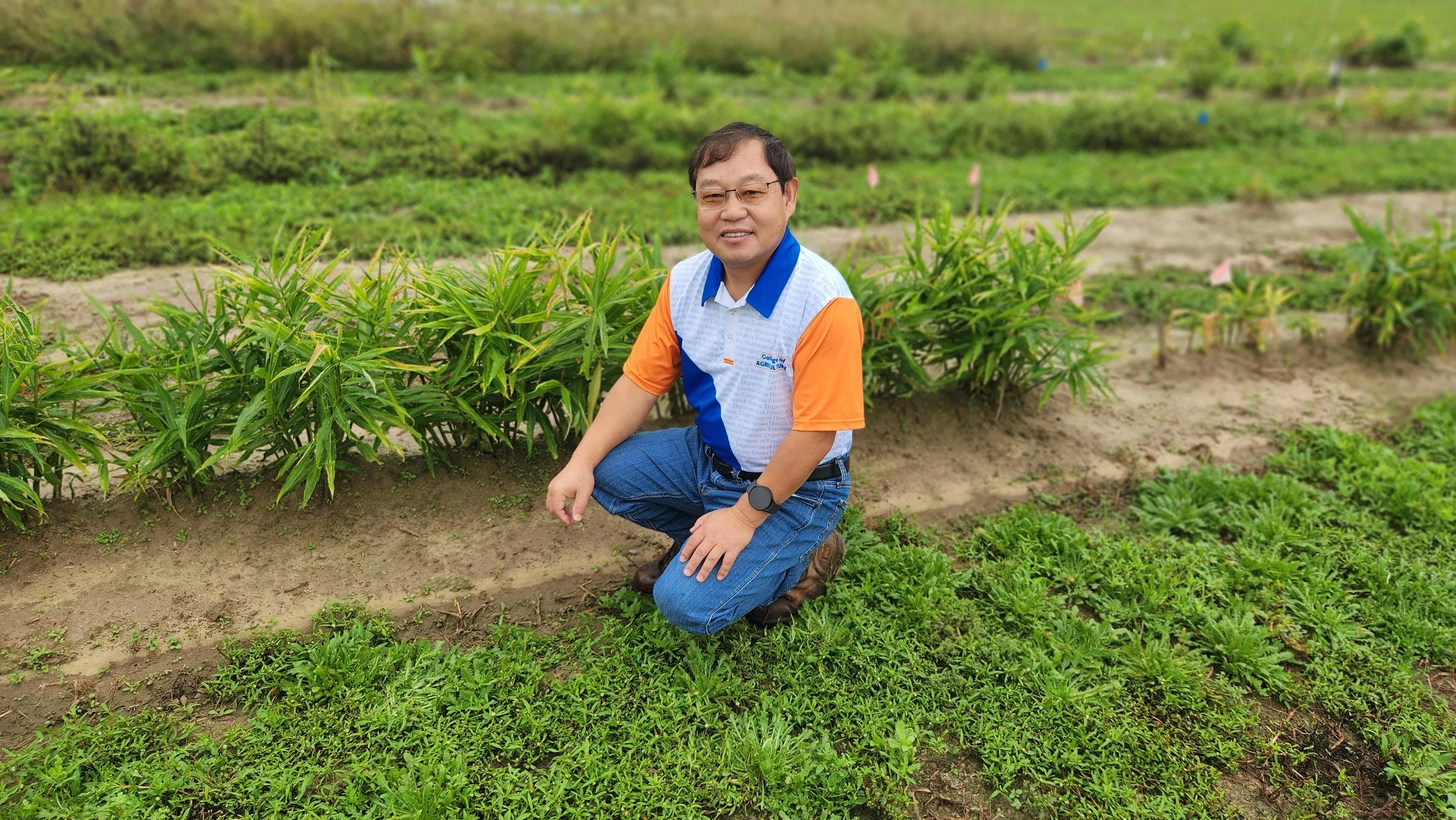
The Extension Horticulture Program at Virginia State University (VSU) transitioning a 10-acre field plot on VSU’s Randolph Farm to an organic field, which opens possibilities for future applied research projects in organic production and new opportunities for Virginia growers to learn about organic production.
“Organic agriculture is the fastest growing sector in U.S. agriculture,” says Dr. Gu, who previously conducted organic research through Extension in Missouri and North Carolina. “Organic food sales in the United States broke $60 billion in 2022 and are projected to reach $114.15 billion by 2032. Organic production is highly suitable for small farms, and often yields higher profits than conventional produce.” However, Virginia ranks only 23rd among U.S. states for organic production, pointing to an opportunity to increase organic production to meet growing market demand.
Still, organic producers in Virginia face challenges. Producing organic crops is labor-intensive, and growers must contend with climate challenges, soil health and potential pests. On top of the challenges of growing organic food, managing an organic operation involves more paperwork, stricter regulations and maintaining certification by adhering to organic practices and scheduling annual inspections.
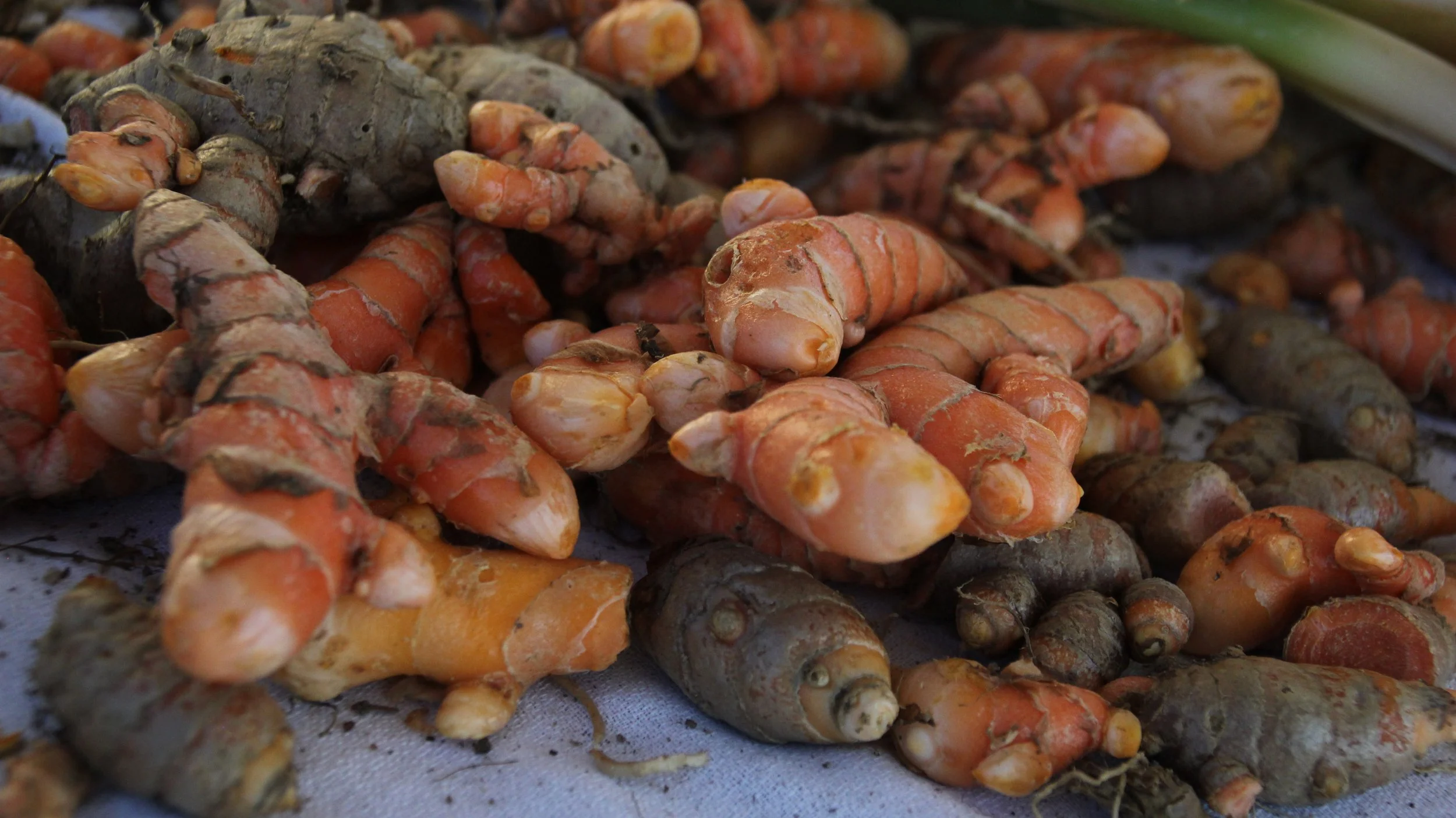
Per National Organic Program (NOP) rules, the field at Randolph Farm will be eligible for organic certification after a three-year transition period, during which prohibited substances such as synthetic fertilizers and pesticides cannot be applied. The field is two years into the process and is on track for certification in 2026 after a systematic review and on-site inspection. Once certified, the field will host organic tomato and other vegetable research and demonstration projects while following NOP standards. The team hopes to acquire separate tools, equipment and storage facilities for the organic programs so that the projects can be completely separate from non-organic efforts.
Dr. Gu has already received an Organic Research and Education Initiative grant on organic tomato breeding and tomato disease management, and will use the new organic field to trial new tomato cultivars. In the future, he hopes to expand organic research efforts to other vegetables and small fruits, and develop additional infrastructure for storage, irrigation and specialty crop production. One day, this organic field will be a research hub not just for the Horticulture team but also for other Extension specialists and researchers at VSU. And, it will host new workshops for Virginia producers to come and learn information and hands-on techniques in organic production. “We will offer workshops on organic transition and certification, organic production, and provide organic specialty crop demonstrations on this certified organic field,” says Dr. Gu. “Having our own organic field for research and Extension programs provides a great opportunity to better help our small farmers.”
Related Links