Small Fruits & Vegetables
Overview
Disseminating research-based, practical management information to assist small-scale horticulture.

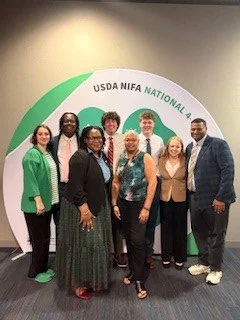
In a historic moment for Extension-based youth development across the nation, two leaders from Historically Black Colleges and Universities (HBCUs) have stepped onto the national stage to guide the future of 4-H. Nicole Swinson of Virginia State University and Teki Hunt of the University of Arkansas at Pine Bluff are the first 1890 HBCU representatives to jointly advise the National 4-H Youth Leadership Team (YLT) for NIFA's National 4-H Conference. This was Hunt's final year serving the YLT, and next year, Swinson will assume her leadership role.
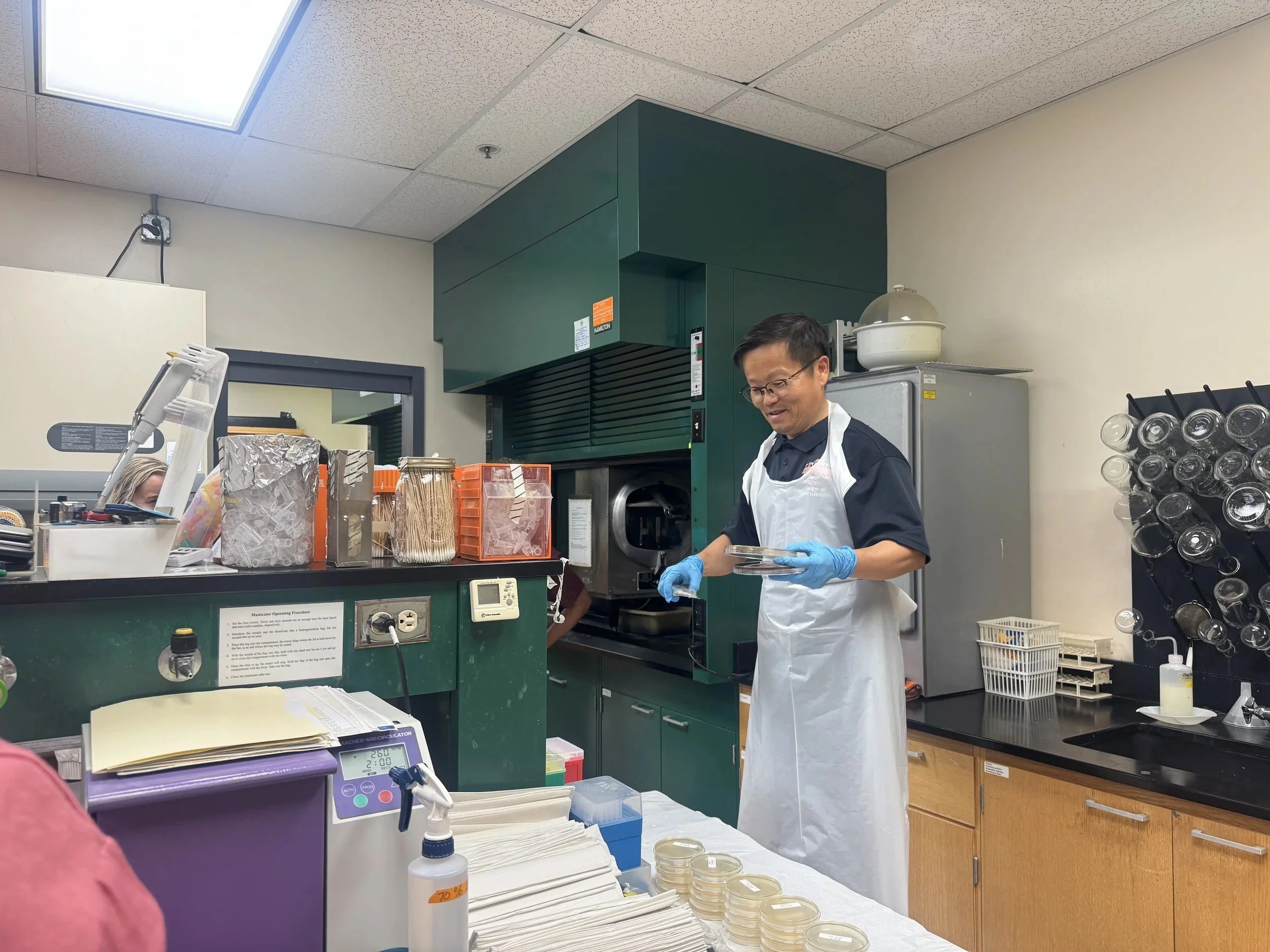
Dr. Chyer Kim, Professor and Enhance-FI System Lead with the Agricultural Research Station, is the 2026 recipient of the Star Award in the Category of Outstanding Research/Scholarship (50% or higher commitment). This accolade recognizes contributions to Virginia State University through excellence in research, scholarship, student mentorship, outreach, and professional service. In Dr. Kim's case, that excellence comes through the Food Safety and Microbiology program, which, under his leadership, focuses on food safety, microbiology, antimicrobial resistance, and value-added agricultural innovations that support the agricultural industry and public health. "Through this work," says Dr. Kim, "I have secured competitive external funding, published peer-reviewed research, and shared findings at regional, national, and international conferences."
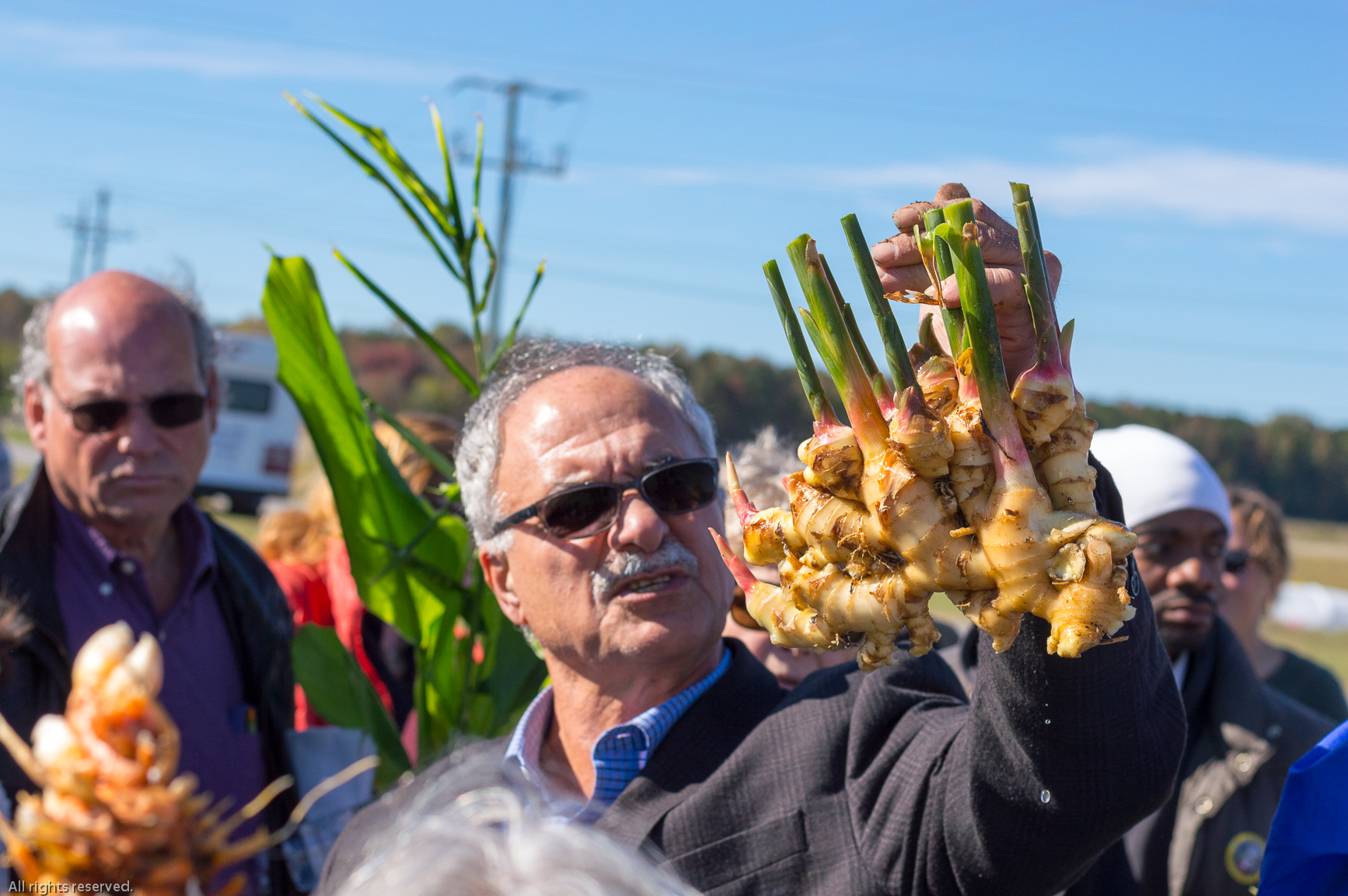
Dr. Reza Rafie, horticulture Cooperative Extension specialist at Virginia State University (VSU), first realized in 2012 the potential technology held for delivering Extension programming when he and a videographer created a 12-minute video on growing ginger. It’s been viewed more than 86,000 times since.
Downy mildews caused by different water molds are thriving at this time and damaging crops. If you see cucumber or butternut squash leaves quickly turning into a yellow, angular shape from the top, you may suspect a downy mildew caused by one of these pathogens belonging to water molds.
With more people sheltering in place at home during the Covid-19 pandemic, many people are turning to or considering growing gardens, whether it’s to provide food or just peace of mind during these troubled times.
Weather forecasters are calling for a cold night on Saturday, May 9, with temperatures expected to dip to 35 °F in Central Virginia and 30°F in the Shenandoah area.
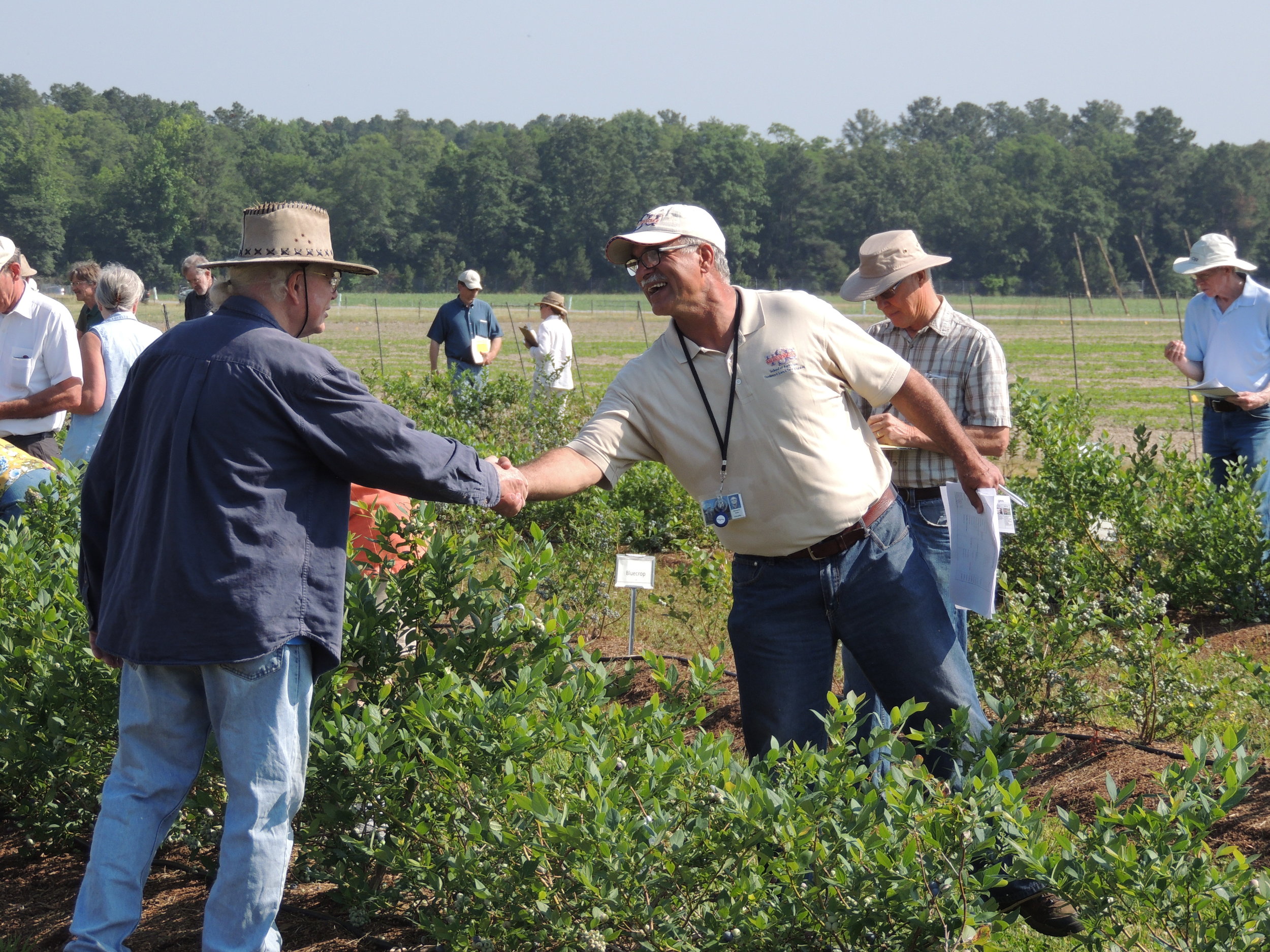
It’s an understatement to say that Dr. Reza Rafie is passionate about growing berries in Virginia. Rafie, a horticulture Extension specialist with the Virginia Cooperative Extension (VCE) at Virginia State University (VSU), has devoted nearly 15 years to researching and promoting berry production.
Weather forecasters are calling for freezing temperatures over the next few days. Homeowners with container-grown blueberry plants need to protect them from freezing temperatures, if the flower buds are opening up.
Virginia State University is conducting trials of growing raspberry in containers on a single stem under high tunnel conditions. Dr. Reza Rafie, horticulture Extension specialist at VSU believes this system of raspberry production can be a good fit for Virginia’s small-scale farmers and even homeowners. This video briefly describes the potential of container-grown single-stem raspberries.
Cucurbit Downy Mildew (CDM) caused by the water mold, also known as oomycetous organism Pseudoperonospora cubensis, is a devastating foliar disease of cucurbits which may wipeout crops in a short window span if humid and wet weather prevails for a long time. The disease was confirmed on cucumber plants that were grown on Sentinel plots located at Randolph Farm in Southern Chesterfield County, Virginia.
COnnect
E-NEWSLETTER
Sign up to receive our weekly e-newsletter and event alerts directly to your inbox.