
Reflecting on Extension’s Legacy of Impact in Virginia
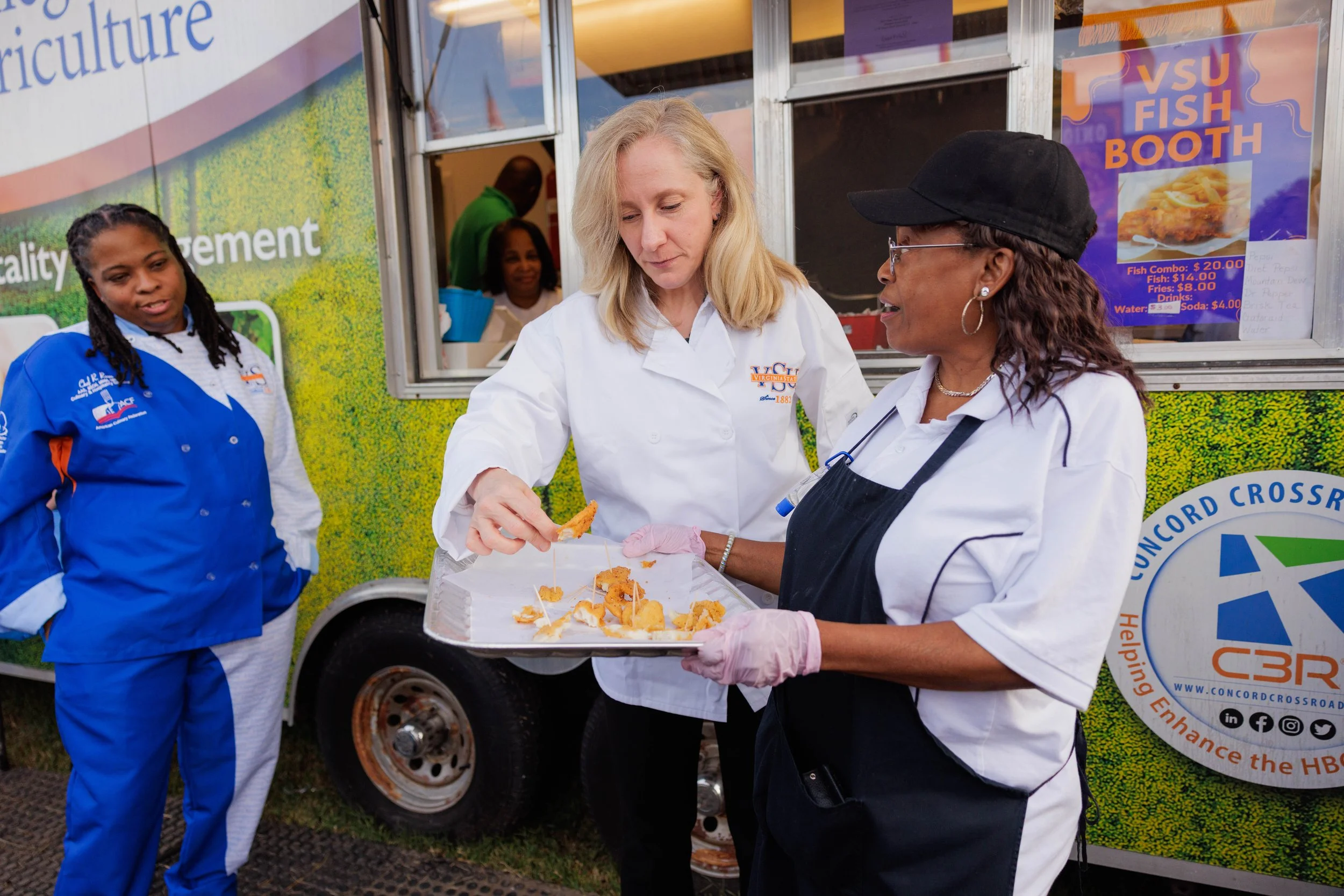
Today, Cooperative Extension programs are woven into the fabric of Virginia communities. Through 4-H youth development, agricultural education, family and consumer sciences and community resource development, Extension connects research-based knowledge and solutions with individuals, families and communities across the Commonwealth. Virginia Cooperative Extension (VCE) at Virginia State University (VSU) continues to practice and expand a long tradition of outreach. Today, this work reflects more than a century of vision, persistence and leadership born from a need to dedicate resources to solve Virginians’ real-world problems.
Early Agriculture Education in Virginia
In the early 1800s, there were limited opportunities to learn and study agriculture, despite a growing need for workers with this practical knowledge. Educational opportunities that did exist were not open to all. The story of Extension in Virginia began with the first Morrill Land Grant Act of 1862, a piece of legislation that sold federal land to states for the clear purpose of establishing institutions focused on teaching agriculture and mechanical arts as well as classical and scientific studies. The goal was revolutionary for its time: to educate the working class and dedicate scholarly resources to solving pressing issues. In 1872, the Virginia Agricultural and Mechanical College, now known as Virginia Polytechnic Institute and State University, received funds from the Morrill Land Grant Act for its founding and would later become home to agricultural outreach and demonstration work.
However, not everyone could attend these new institutions. Early land-grant colleges primarily served white male students. In Virginia, following the ratification of the 13th amendment, the Hampton Normal and Agricultural Institute was established to provide industrial and teacher education for African Americans. Many of these educators would go on to shape agricultural outreach across the region.
In 1882, Virginia took another step toward providing educational opportunities to all with the founding of the Virginia Normal and Collegiate Institute — now Virginia State University — as a four-year institution of higher education for African Americans. These institutions laid the groundwork for Extension work that would later reach rural families, farmers, and youth who had long been excluded from formal education due to distance and responsibilities on their family farms.
Demonstration Work and the Origins of Extension
As agricultural research expanded through the Hatch Act of 1887, which established agricultural experiment stations at Land-grant institutions, a critical question emerged: how could new scientific knowledge reach the farmers who needed it most?
The answer was to put boots on the ground and bring new techniques and knowledge to farmers. In the pivotal year of 1906 Thomas Oldman Sandy became Virginia’s first state agent, demonstrating scientific practices and knowledge directly on farms, while John Baptist Pierce became the first African American farm demonstration agent in Virginia. A graduate of Hampton Institute, Pierce understood the needs of rural Black farming families in southeastern Virginia.
Pierce’s “Live-at-Home and Community Improvement Program” emphasized self-sufficiency, increased yields and education. His goal was for even the lowest-income farmer to be able to support a family and educate their children. Over the next 35 years, he developed and led demonstration work across Virginia and the Carolinas, eventually becoming a district agent.
Another Hampton Institute graduate helped lay the foundation for home-based Extension work in Virginia. Lizzie A. Jenkins was appointed in 1913 as the first African American home demonstration agent. With extensive experience as an educator, she understood how hard it was for children from agricultural homes to balance their farm responsibilities with receiving an education. In her own words, students often left school to help harvest peanuts, cotton, corn and potatoes; work that sustained households but disrupted education.
Jenkins made it her work to meet families where they were across southeastern Virginia, on their farms and in their homes. According to Jenkins’ meticulous reports, she traveled more than 12,000 miles in her time conducting demonstration work, making home visits and working with mother-daughter teams to teach canning, sewing, cooking, gardening and poultry production. These were skills for survival and economic advancement that empowered families to better support themselves. By 1916, more than 2,400 girls were in canning, sewing, cooking and gardening clubs with hundreds more participating in poultry programs. They helped support their families by selling produce, sewing their own clothes and sharing knowledge with other families in a ripple effect that helped elevate households and communities with higher standards of living and independence.
In 1914, the Smith-Lever Act established the Cooperative Extension system, expanding the mission and capacity of Land-grant institutions involved in Extension work. At this time, Virginia State University and Virginia Tech came together to form Virginia Cooperative Extension, a partnership that thrives and impacts families across Virginia to this day.
Extension Includes Youth and Communities
Early agricultural “corn clubs” for boys and canning clubs for girls evolved into what is now 4-H. In 1923, Jenkins helped establish Virginia’s first short course for African American youth at Hampton Institute, the Negro Farm and Home Makers’ State Club Short Course, offering the immersive education, hands-on learning and social engagement that are the hallmarks of Extension education today. While today’s 4-H STEAM and career readiness activities reflect modern times, they share the same learning approach and goals for youth development that sparked the first youth clubs in agriculture.
Extension’s reach continued to grow and adapt to the needs of the times, like with “demonstration trains,” an innovative effort to bring agents and equipment to hard-to-reach rural areas via railroad. During World War II, the now-famous Victory Garden program emerged as American resources were diverted to war efforts. In 1939, home gardens produced over $200,000,000 worth of vegetables, excluding potatoes and sweet potatoes, to support the national food system as food production and distribution faced challenges from labor and machinery shortages. In the 1940s, Homemaker Organizations formed, which eventually merged to become Family, Career and Community Leaders of America (FCCLA). By the mid-1900s, Extension’s impact had expanded beyond agricultural education into the realm of community resilience.
Extension’s Leadership and Impact Today
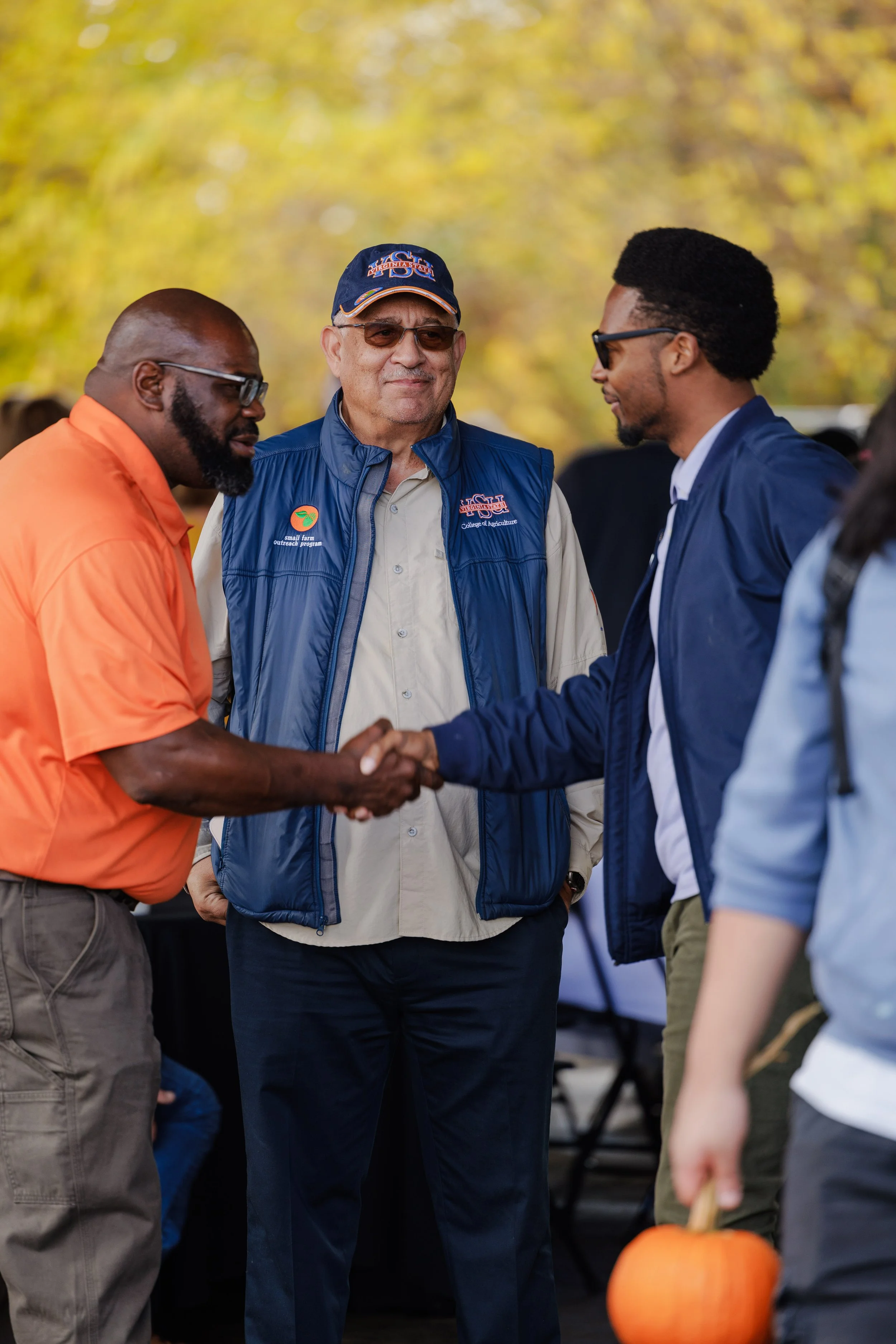
In 2014, Virginia Cooperative Extension marked its centennial, celebrating a system that has grown to include more than 100 local offices, agricultural research and extension centers and 4-H educational facilities across the Commonwealth. VCE reflects shared values, resources and expertise to deliver research-based solutions across agriculture and natural resources, 4-H youth development, family and consumer science and community resources development. Extension in Virginia has helped launch several leaders in the national agricultural landscape, including VSU’s Interim Dean for the College of Agriculture, Dr. Jewel Bronaugh, who previously served as Deputy Secretary for the USDA.
Extension work at VSU remains a critical resource for communities and individuals, helping producers adopt new crops, techniques and value-add products, providing public health and nutrition education to support health throughout peoples’ lives, and helping small, beginning and veteran farmers. VCE leans in when the state faces challenges, as seen in VCE’s response to crises and natural disasters like Hurricane Helene. From coordinating disaster relief to supporting long-term recovery efforts after extensive flooding in southern Virginia, Extension provided consistency, solutions and leadership long after the immediate emergency passed.
Related Links