
Shining the Spotlight on Women Leading the Way in Extension
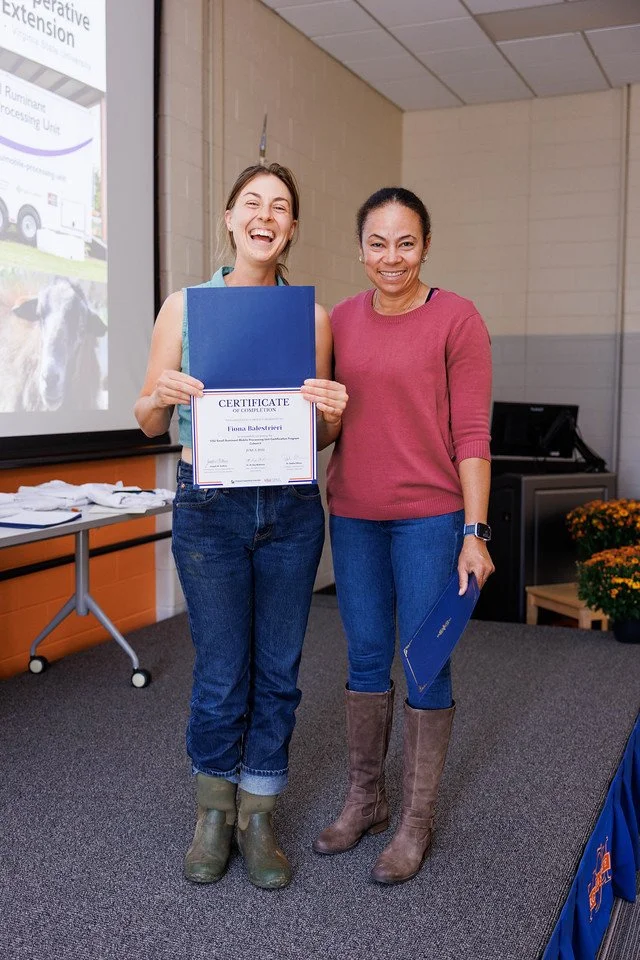
At Virginia State University (VSU), Extension is fortunate to have leaders who bring experience, heart and dedication to their jobs. To celebrate Women's History Month, we sat down with three women in leadership positions to learn more about their journey, who and what inspire them, and how they're rising to meet modern challenges as they advance the mission of Extension at VSU.
Can you share a bit about your current role and how long you've been working in Extension?
Ms. Doris Heath: I've worked in Extension for 37 years. I started at Virginia Tech in 1988, where I worked for 29 years, mostly as an Extension agent for family and consumer sciences. After retiring as a District Director in 2017, Dr. Ray McKinnie called me and asked me to join VSU in 2018 and provide support for his position as Extension Administrator. I now serve as a Program Leader.
Dr. Crystal Wynn: I am currently the Assistant Extension Administrator, EFNEP Coordinator, and Nutrition Extension Specialist. I provide programmatic & reporting oversight for all Extension Programs, provide leadership for Cooperative Extension at VSU, manage and develop policies, procedures and the professional development program for the Extension Program Team. I joined Extension in June 2024 in a split role serving both Academic and Extension programs before transitioning in June 2025 into a full-time role.
Dr. Dahlia O'Brien: I've worked in Extension for more than 20 years. I currently serve as a Professor and the Extension Lead for Animal-HERDS (Health, Efficiency, Reproduction, and Data Analytics Systems) in the College of Agriculture. In this role, I provide leadership for statewide extension programming focusing on improving livestock systems through applied research and producer education.
What drew you to working in Extension?
Ms. Heath: When I graduated from VSU, I wanted to go into acquisitions for department stores. By the time I worked my way into the buying office at Miller and Rhoads, the company was having financial issues and I saw the writing on the wall. My mother talked up her Extension Homemakers club, and I thought, "I could do that!" So I went back to school for my Master's degree with the intention of going into Extension. It's a perfect fit for me because Extension is about being a visionary, and working both independently and well with others. It's about being creative, innovative and thinking outside the box. I got hooked and have been here ever since.
Dr. Wynn: I had been working in academics for 13 years, serving as a program director & department chair. When my term as department chair ended, I was looking for a change. I have two degrees in public health and wanted to explore more opportunities in the community, which led me to Extension.
Dr. O'Brien: I've always been passionate about outreach. Even as a graduate student, I found great fulfillment in engaging with farmers, who play one of the most essential roles in society—feeding the world and sustaining local communities and global food systems.
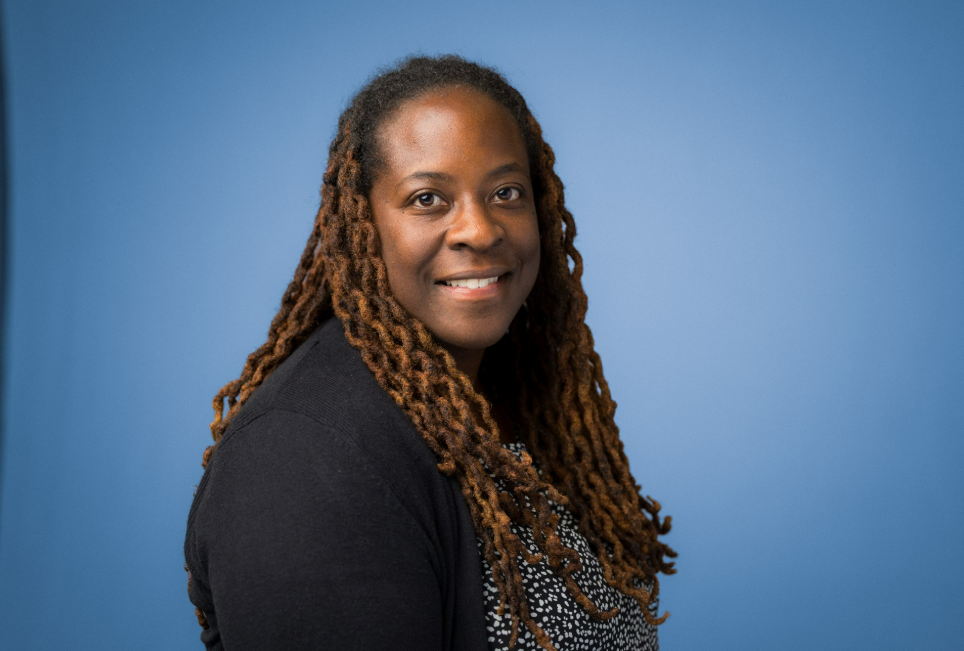
How would you describe your leadership style? In what ways has that evolved?
Ms. Heath: My leadership style is teamwork-focused. I'm always available and accessible to help when needed, and often people need a listening ear and to know they've got someone on their side. But I also give people the space to make decisions and run things on their own.
Dr. Wynn: My primary focus is serving others, especially those I supervise. I care about the individuals I lead and want them to be the best versions of themselves, and to grow, perform well and succeed. I lead by example, working alongside my team to accomplish the task at hand, and never assigning tasks I wouldn't take on myself. I'm committed to removing barriers and supporting their professional and personal development.
Dr. O'Brien: I strive to lead from a place of experience, empathy and intentionality. While there are certainly initiatives that I am committed to accomplishing, there is always value in seeking input from those I supervise and creating space for them to take ownership of the work. People tend to perform better and genuinely enjoy coming to work when they feel heard, respected and appreciated.
What are some of the challenges you see for our leaders in Extension today?
Ms. Heath: Before the 1990s, everyone in a community knew what an Extension agent was, and they knew and trusted their local agents. Particularly in rural communities, and especially for African Americans, the most educated person in a county was a school teacher, followed by an Extension agent. In the early 1990s, state financial challenges led to a disconnect between communities and Extension, which was deprioritized by state leadership at the time. Now, we're facing the challenge of YouTube university. People say, "Why do we have to go to a class to learn to grow a tomato, eat better, or buy a house when I can just go to the internet?" We, as educators, must find ways to pass on the passion for improving people's lives.
Dr. Wynn: We're facing limited resources, and an Extension workforce that needs more professionals with varied backgrounds and experiences. Right now, there is a shortage of doctorate-prepared faculty in agriculture and natural resources, youth development, family and consumer sciences, and community development. At the same time, we're striving to meet challenges in modernizing our outreach and programming strategies to meet the changing needs of the rural and urban communities we serve.
Dr. O'Brien: Today, we face shifting demographics, the pressure to do more with fewer resources and the need to adopt innovative methods to engage our audiences. The rapid expansion of social media and the ease with which individuals can access information from countless online sources have created an overwhelming flow of content, much of which is not research-based. We must adapt by strengthening how we market our value, making our programs more visible, and ensuring that farmers and stakeholders know where to find trusted, science-based information.
Who has inspired you in your professional journey?
Ms. Heath: I've always had people in my space who saw things in me that I didn't see in myself. And the good thing is, I listened 90% of the time, and it all worked out. I had a great mentor here at VSU, and my home, church and community have always been filled with supportive people.
Dr. Wynn: I was inspired and supported by Dr. Alice Joyner & Dr. Badiyyah Waajid, both professors in the Department of Family & Consumer Sciences at VSU, when I began my higher education career in 2011. Dr. Joyner was the department chair and my supervisor. She gave me the opportunity to pursue my dream of becoming a college professor and prepared me for department leadership. Dr. Waajid helped me navigate the promotion and tenure process and taught me about work-life balance and navigating motherhood while completing my doctorate and serving as a college professor. I am ever grateful for these African American doctorate holders! They paved the way for me & encouraged me to pursue greater!
Dr. O'Brien: I have been fortunate to have exceptional mentors throughout my career; individuals whose guidance, character and commitment have greatly shaped my professional path. Several influential women, in particular, exemplified a strong work ethic and a deep dedication to strengthening the small ruminant industry. Dr. Niki Whitley and Susan Schoenian stand out as mentors who consistently modeled excellence and service to producers.
I am also grateful for the mentorship of Dr. Dyremple Marsh and Dr. Stephan Wildeus, who inspired in me not only a commitment to accomplishing meaningful work but also modeled leadership, integrity, thoughtful decision-making, and maintaining high standards in every aspect of professional practice.
What do you hope to impart to the people who look up to you or work with you?
Dr. O'Brien: I hope to impart that compassion isn't weakness.
Dr. Wynn: I hope to help people search within to identify their purpose and calling in life, and have the opportunity to pursue that calling. My profession is a calling I was born to serve, not simply a job to perform, and I approach it with purpose and passion. When everyone reaches the point in their life and career where they are fully operating in their calling and aligning with their true purpose and strengths, the workplace will be a stronger, more productive, and more harmonious environment where everyone thrives in their unique roles.
Ms. Heath: It sounds simple, but I want to help people understand how to work together, how to collaborate and partner, and look at every moment as an opportunity to create something and provide opportunities to other people.
Related Links