
Building healthier families through youth nutrition outreach
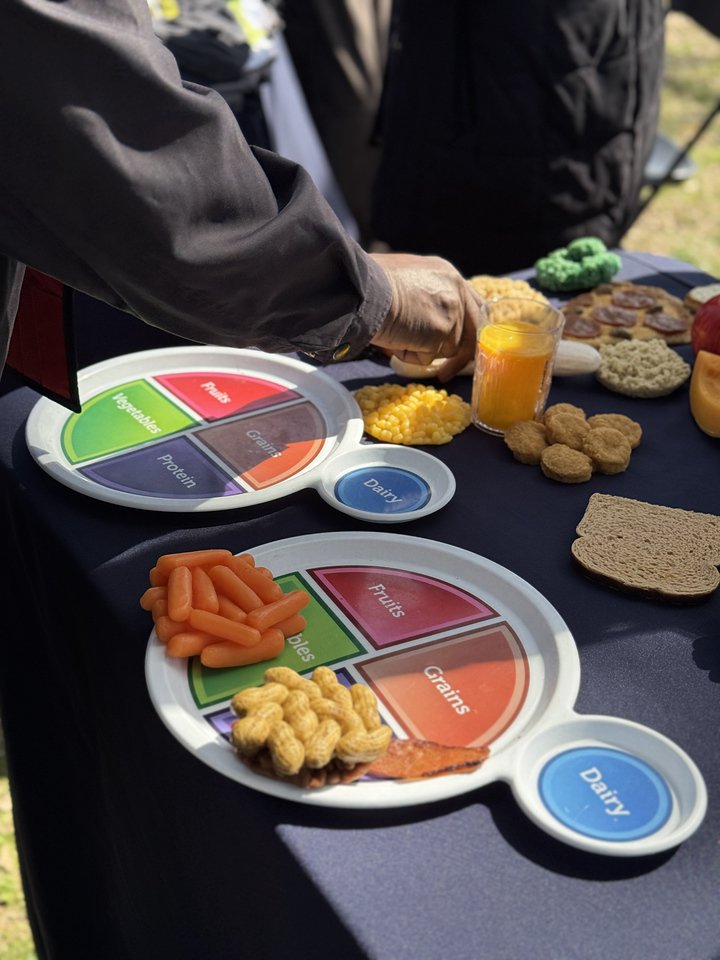
Virginia Cooperative Extension (VCE) at Virginia State University (VSU) is helping build healthier families and communities through nutrition education, food safety and youth wellness initiatives despite recent and real challenges facing Virginia families. Addison Caldwell is VSU’s Expanded Food & Nutrition Education Program Extension associate in the family nutrition program. Serving with Extension for nearly three years, Caldwell combines her background in dietetics and nutrition with a passion for empowering young people to make healthier choices.
Caldwell is a proud Trojan who earned her Bachelor’s degree in family and consumer sciences with a concentration in dietetics. With personal experience witnessing nutrition-related chronic diseases, Caldwell felt driven to pursue further education and a career in the nutrition field. She took a position with VSU Extension while completing her master’s degree in nutrition, and quickly started bringing nutrition and healthy lifestyle education into local communities through Extension programming.
Caldwell meets youth right where they are. “When it comes to partnerships, I can partner with any organization that works with a low-resource youth population,” she says. She provides nutrition and physical activity education to K–12 youth, partnering with schools, after-school programs, community centers, libraries, summer camps and farmers markets. Caldwell typically runs a six-lesson education series that teaches practical skills such as reading nutrition facts labels, following MyPlate guidelines, preparing healthy meals on a budget, and practicing safe food handling. For partners who don’t have the availability or capacity to hold a six-lesson series, Caldwell offers mini-lessons to further the positive impacts of nutrition education.
Today, many Virginia families face ongoing challenges related to nutrition and health. Caldwell cites a lack of basic nutrition knowledge and skills, widespread nutrition misinformation, the low cost and easy access to ultra-processed foods, rising living costs, and limited access to nutrient-dense foods, particularly in low-resource areas. “Meeting these challenges is an ongoing effort, where some youth show improvement,” she says. Sometimes, providing foundational knowledge can go a long way in helping youth and families make informed food choices. “In my time in this field, I’ve encountered some gaps in education around nutrition and health that Extension works to fill, like an inability to read nutrition fact labels, use the MyPlate food model and nutrition guide to build a healthy and balanced meal, and struggles with cooking nutritious and budget-friendly meals,” Caldwell explains.
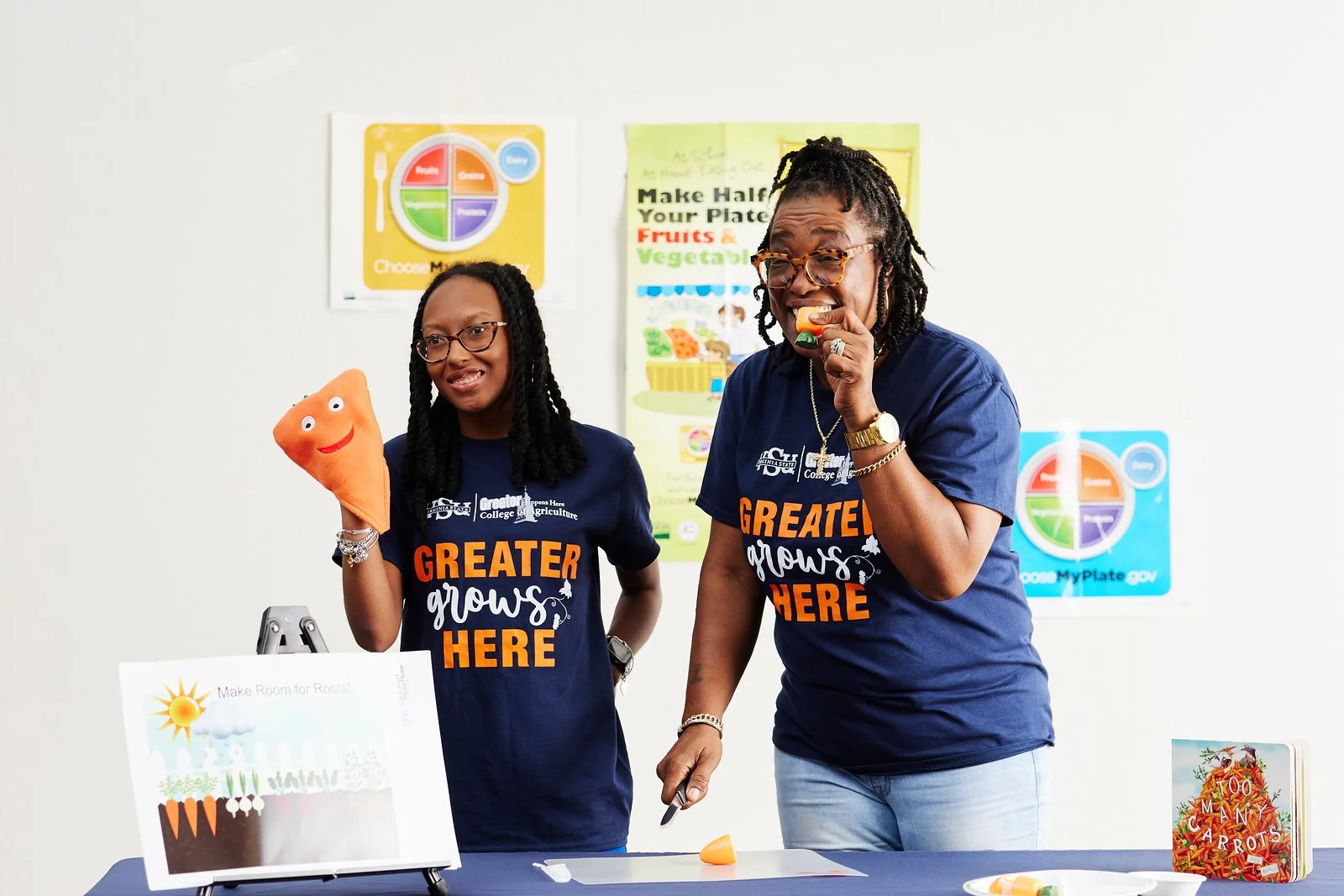
Extension uses research-backed approaches that put the needs of individuals, families and communities first. With adaptable programs that reflect the specific needs of her audience, Caldwell teaches youth how to safely prepare food, shop economically, and reduce their risk of chronic diseases. Participants are also introduced to new foods and recipes while learning the importance of physical activity and disease prevention. Her programs extend beyond promoting healthy eating habits and help encourage lifelong healthy behavior. Throughout the programs, youth gain experience thinking about the long-term impacts of their choices and working with a team to complete assignments.
Caldwell has seen measurable improvements in youth knowledge and behaviors, according to EFNEP measures. This year, Caldwell is hoping to expand her programming to include adult EFNEP education, further helping families build healthier habits through accessible nutrition education.
Related Links