
Harnessing Nature's Stormwater Management Methods to Increase Virginia's Water Resilience
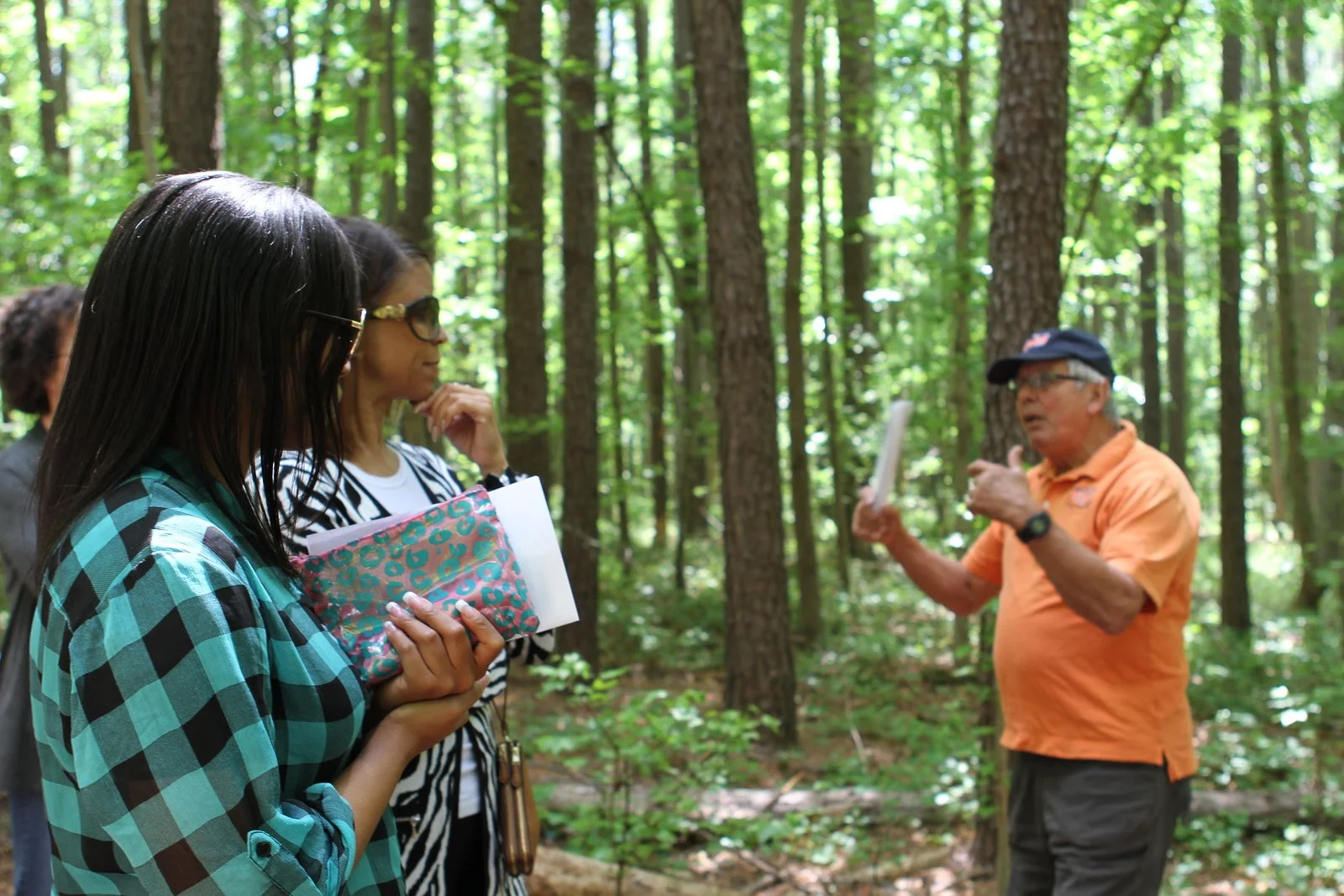
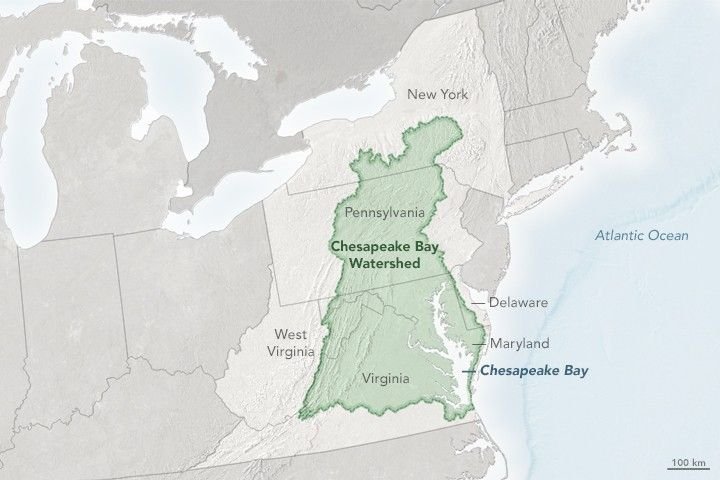
Large swaths of Virginia are a part of the Chesapeake Bay watershed. Rivers, streams and creeks of all sizes eventually flow into this unique estuary. The Chesapeake Bay is a vital economic resource for the region, with seafood industries, recreation opportunities and tourism generating significant revenue and job opportunities for states within the watershed. It's also a space where people, plants, and animals live in an interconnected system; where positive actions beget positive impacts across the system, and likewise for harmful actions, like pollution, which eventually flows into the bay. A healthy bay ecosystem protects our air and water quality, local food sources, and protects communities from flooding and erosion. Not to mention, thousands of species of plants and animals call the Chesapeake Bay watershed their home, just as people do. By protecting and increasing water resilience in Virginia, we protect our own communities. At Virginia State University, Extension specialists like urban and community forestry associate Joel Koci teach people how to protect and enhance water resilience in Virginia, thereby protecting their own communities.
One natural way to protect water quality is to bolster or plant a riparian buffer. A riparian buffer is the area next to a body of water where native trees, shrubs and other plants grow. Riparian buffers can be an important feature in agricultural, range, suburban and urban settings. Regardless of where you might find one, a riparian buffer's job is the same. They stabilize eroding banks, provide shelter and habitat, and filter harmful substances from the water body adjacent to the buffer.
In suburban and urban settings, they filter a variety of pollutants. On farms, riparian buffers can filter animal waste, pesticides, and excess nutrients. Another distinct benefit for farmers is diversifying landowner income. Farmers can select plants that are also suitable landscape plants for their riparian buffers, and then dig them up and sell them once they reach maturity or a salable size. A cycle of continual planting and selling mature plants can maintain the buffer's effectiveness and provide another revenue source.
Across all spaces, buffers play a critical role in stormwater management by slowing down rainwater and reducing flooding risks. As extreme weather events that bring heavy rainfall in short periods have become more frequent, communities across the Commonwealth face challenges with stormwater runoff, erosion, and infrastructure damage. Developed spaces with impermeable surfaces, through which water cannot infiltrate, including buildings, roads and parking lots, are sometimes called "gray spaces." Natural areas with permeable surfaces, on the other hand, can be called "green spaces."
When stormwater sheets down on gray spaces, it has nowhere to go but off the surface. Water streaming off buildings and driveways can quickly flood roadways and overwhelm storm drains. As this heavy rainfall reaches rivers, it can contribute to flash flooding, as the rivers cannot accommodate the intense volumes of rainwater that flow downhill into the waterways. When rainwater falls on green spaces, some will run off, but much of it will soak into the soil and slowly percolate into the ground. Trees and other plants in riparian buffers help slow the rate of stormwater flowing towards rivers, and the natural surface allows some rainwater to infiltrate into the soil. As it percolates into the ground, plant roots help remove pollutants, cleaning the water before it eventually reaches the river.
The James River is Virginia's largest river, its largest source of drinking water, and home to abundant wildlife and plants, as well as recreational and leisure opportunities across the state, from the mountains to where it enters the Chesapeake Bay. It flows through Virginia's capital city of Richmond, where, among many other communities that cluster along waterfronts, developers removed the river's riparian buffer. "If the city of Richmond receives more than about four inches of rain in a day, that amount of water overwhelms the waste treatment plants, and the rainwater, along with raw sewage, goes straight into the James," explains Koci, who sees the situation as one where riparian buffers would reduce the runoff and allow rainwater to infiltrate into the ground.
Koci's personal experience with water health helps inspire his Extension work educating others about water resilience. He grew up near Cleveland, Ohio, and remembers his elementary school days when Lake Erie was teeming with pike, perch, walleye, and other fish species in its healthy ecosystem. Before the Clean Air and Clean Water Acts, years of pollution caused immense species and habitat loss in Lake Erie. "In the late 50's, the only thing left in that lake, other than pollution, was carp and smelt," Koci remembers. After Congress passed legislation and public awareness of the environment grew, things began to change for the better in Lake Erie.
Within a few years, fish populations recovered, economic opportunities in fisheries, tourism and related industries grew, and the positive interrelationship between environmental restoration and human well-being strengthened. "If you toss a pebble in a pond, ripples dissipate," says Koci. "But when you take a positive action for the environment, those ripples don't dissipate; they increase, they magnify and they amplify themselves across other areas."
Koci gives the example of a new housing development in Richmond. Often, developers will clear-cut the lots before construction, removing all the mature trees that provide ecosystem services, such as filtering pollutants from the air and managing stormwater. One particular development focused on low environmental impact and did not clear-cut the area first. According to the cost-benefit analysis, preparing the construction site cost about 10% more than preparing a construction site where the developer removes all the trees. However, at the end of the project, developers didn't have to pay to remove a single tree, and homebuyers paid higher prices for desirable wooded lots.
It's not only new developments that can incorporate smart, natural stormwater solutions. Today, Virginia communities face the challenge of adapting existing spaces to improve stormwater flow and management. Riparian buffers are a scalable and adaptable option, depending on the site's space and needs. From perennial ground covers to shrubs, and native grasses to trees, buffers can be restored along any size waterway to increase water resilience.
In Virginia, the Department of Forestry (DOF) conducts extensive work on riparian buffers. It even offers different pathways to help landowners establish or care for a riparian buffer on their property through education, grants, technical assistance and more. The DOF and partnering organizations offer cost-share programs to help landowners establish riparian buffers and plan, plant, and sustain them for long-term success.
Extension at VSU engages youth and adults in environmental education, empowering people and communities with knowledge and resources to take steps towards a more sustainable future. Along with modern challenges, communities have opportunities to increase their resilience through smart development and incorporating stormwater management features. By bolstering water resilience for plants, animals, water quality, and people, we contribute to a better future for all within the Chesapeake Bay watershed.
Related Links