
High tunnels and Season Extension
Overview
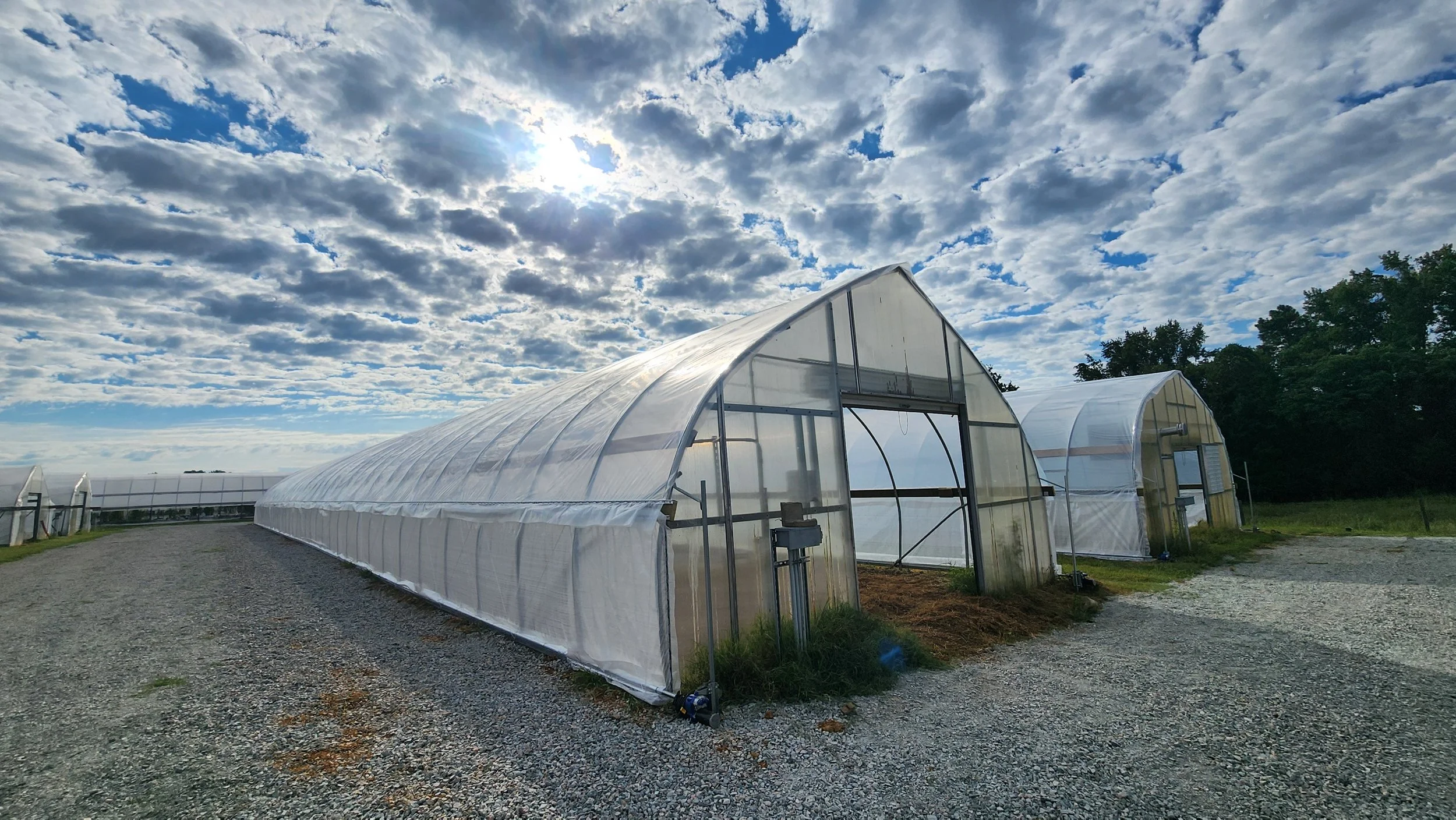
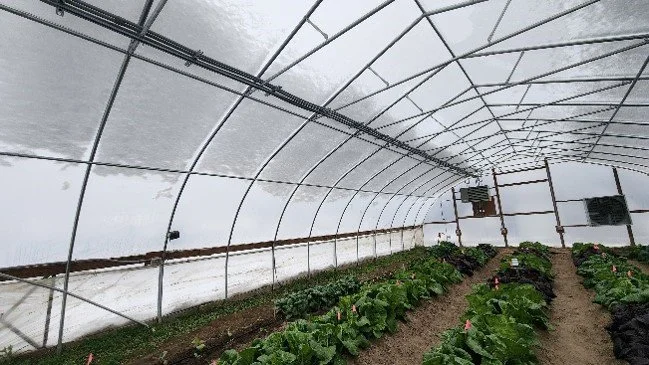
A high tunnel is unheated, plastic-covered structures that provide an intermediate level of environmental protection and control, compared to open field and greenhouse conditions. It is one of the most cost-effective and profitable season extension tools for small farmers. With a high tunnel, the growing season can be prolonged by at least 4 weeks in spring and 4 weeks in fall for warm-season crops. Cold hardy vegetables can grow throughout winter in most regions of Virginia.
Small farmers can often receive a high tunnel up to 1/20 of an acre from NRCS through its high tunnel cost-share program. The net profit from a high tunnel can be $10 per square foot when growing specialty crops such as vegetables, herbs, cut flowers and small fruits.
Program and Resources
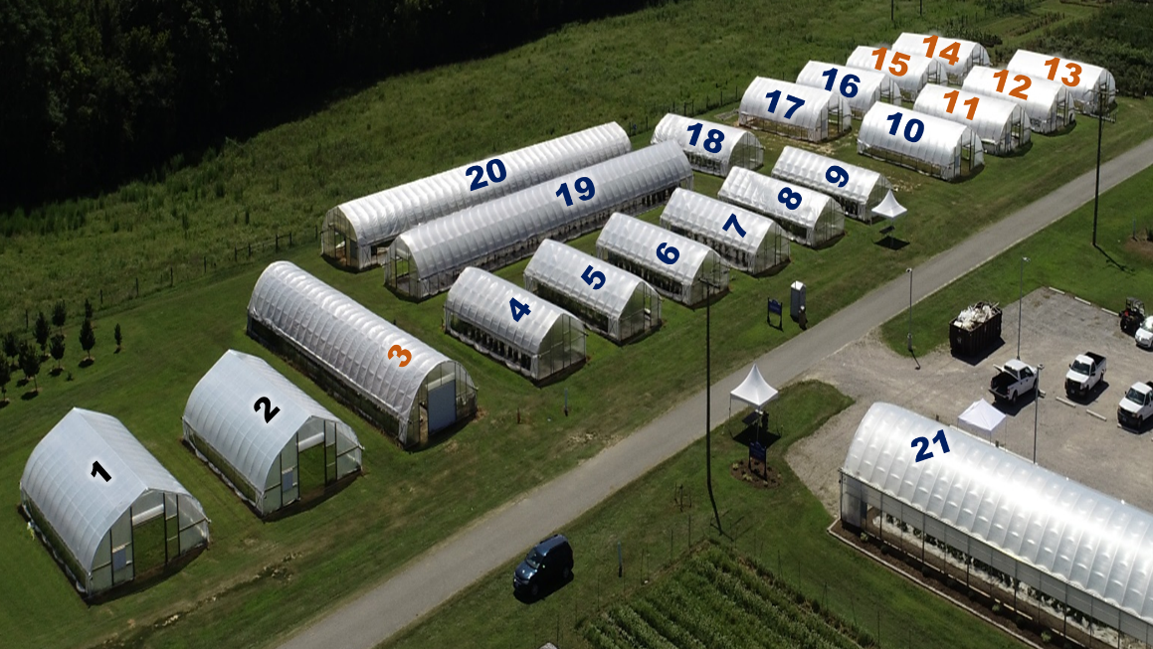
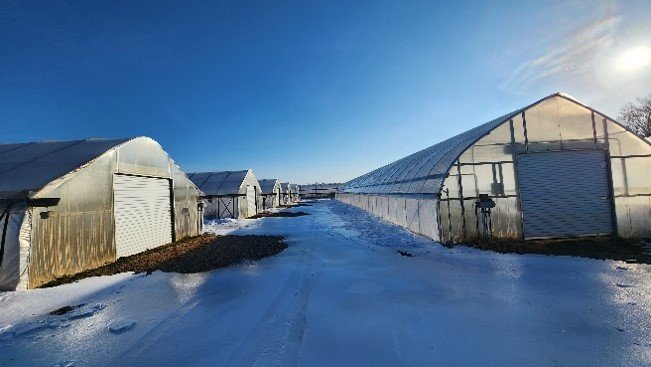
On VSU Randolph Farm, there are 21 high tunnels of different sizes that are used for demonstration, research and teaching. At Extension, ongoing research and demonstration projects focus on warm season crops such as ginger, turmeric and tomato; cool/cold season vegetables such as lettuce, bok choi, Chinese cabbage, spinach and carrots; and small fruits such as blueberry and raspberries. We offer training and technical support to growers and extension educators on all aspects of high tunnel production.
High tunnels on Randolph Farm
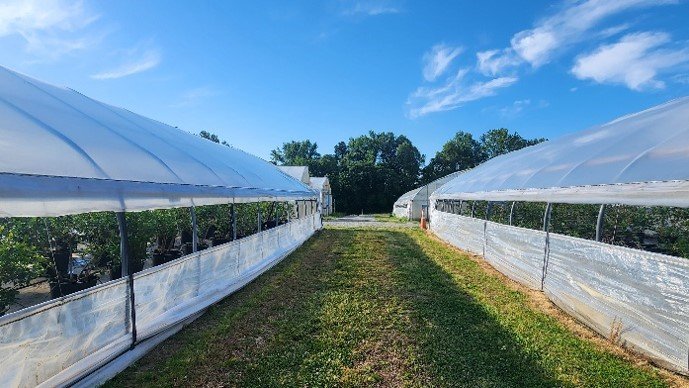
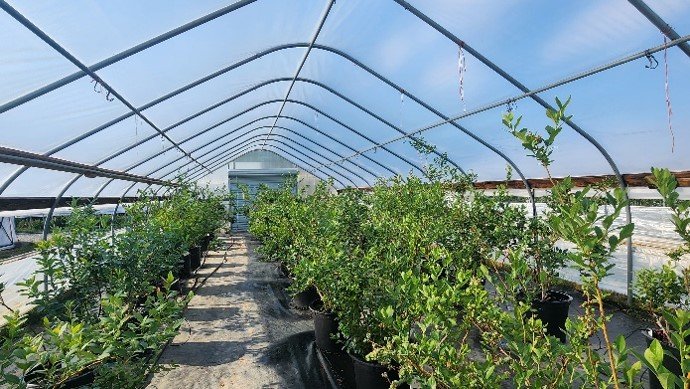
High tunnel blueberries in pots

Curtis Childress, Cut Flower Production

Peter Coffey, Horticulture and Pest Management

Dr, Sanjun Gu, Horticulture and High Tunnels