
Field Day Highlights Innovation and Opportunities for Virginia's Small Farmers
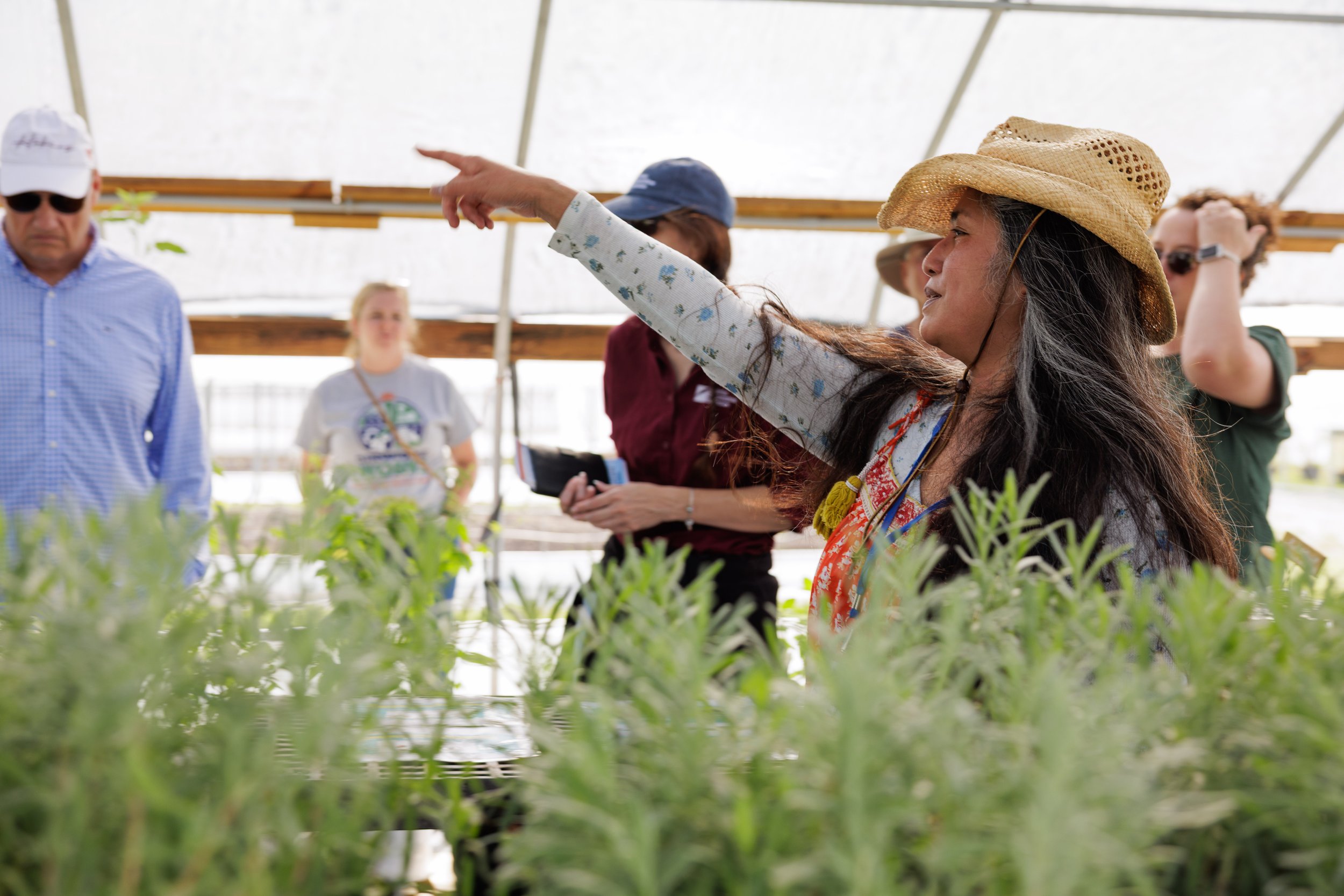
In late June, Virginia State University (VSU )'s College of Agriculture (COA) welcomed farmers to Randolph Farm for its Small Farmer-Focused Field Day, offering hands-on learning opportunities at the research and demonstration farm. The event gave growers the chance to see how crops and production systems perform under Virginia conditions and to speak with researchers and specialists who understand the current challenges facing Virginia growers and are working to solve them.
Almost 150 farmer participants visited research plots showcasing 27 blueberry cultivars grown in high tunnels, including the Northern Highbush, Southern Highbush, and Rabbiteye varieties, to compare plant performance and production potential and learn recommendations across Virginia's various USDA planting zones and soil conditions. In tours of other plots and high tunnels, visitors also learned practical organic tomato production techniques, including sustainable strategies for managing common foliar diseases that can negatively impact plant health and crop production.
Turmeric and ginger are both high-value, specialty crops with strong market demand. Renowned for its flavor and health benefits, ginger is tricky to grow in Virginia, where the climate differs from its native subtropical regions. At VSU, specialists are exploring how to produce both turmeric and ginger in Virginia and are sharing knowledge along the way. At the field day, farmers toured the ginger and turmeric research plots, where they explored on-going studies evaluating multiple cultivars, weed management strategies, transplant methods, seed sources, and storage techniques. The demonstrations emphasized how production practices can influence crop establishment, yield, and post-harvest quality, providing farmers with the research-based information they would need to potentially incorporate ginger or turmeric into their operations.
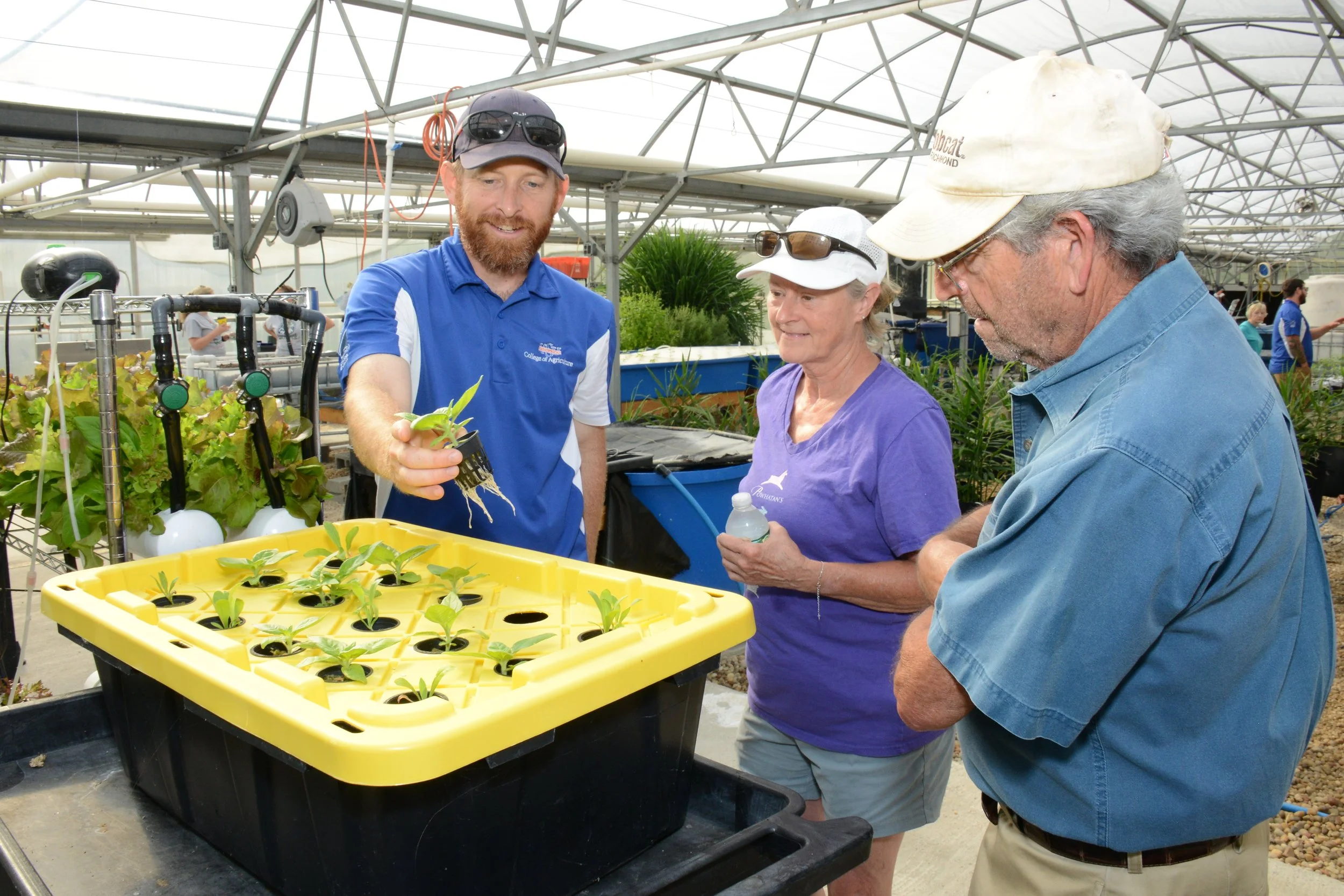
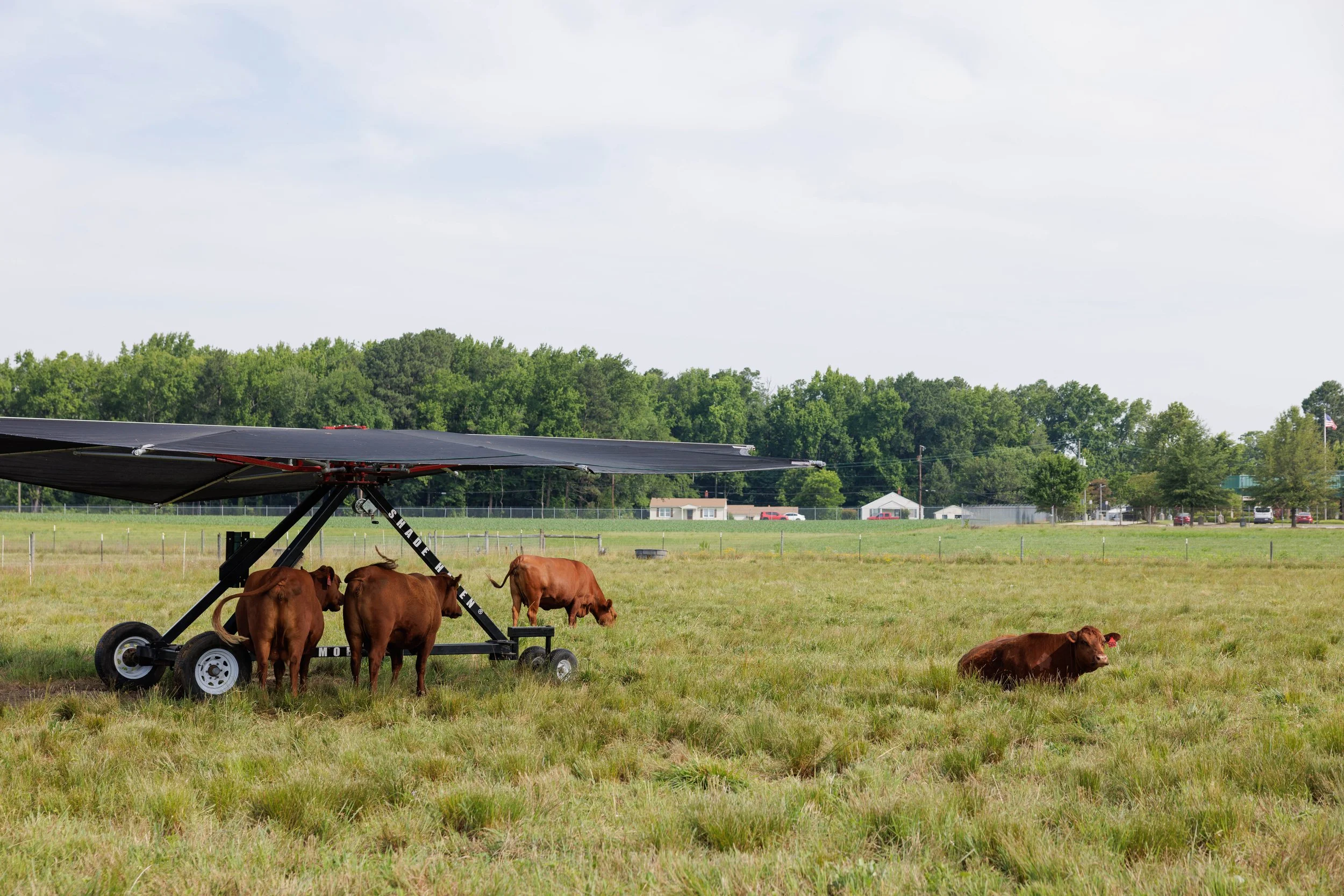
The tour also featured controlled environment agriculture systems that showed how hydroponic, aquaponic, and aquaculture production can expand year-round farming opportunities. Participants learned about scalable systems for producing leafy greens, cut flowers, and fruiting crops, and how to integrate tilapia production into aquaponic systems. In another part of the farm, VSU introduced visitors to the new South Poll beef cattle program, including research on animal welfare, grazing systems, and precision livestock technologies. The tour concluded with the 43,560 Research Marketing Exposition, where farmers explored growing strategies and marketing approaches for growers to net $43,560 from one acre of production space.
"The field tours showcased the incredible breadth of work taking place across our College," said Dr. Jewel Bronaugh, interim dean for VSU's College of Agriculture. "Together, these demonstrations reflected our commitment to helping small farmers improve profitability, sustainability, and resilience through research-driven solutions." Bronaugh noted that the event was especially timely as producers across Virginia face on-going drought conditions. Demonstrations on water conservation, soil health, alternative production systems, and emerging technologies reinforced the College's commitment to being Rooted and Rising by delivering practical solutions to Virginia's growers.
Virginia's agricultural landscape is always shifting. Growers can count on VSU's College of Agriculture to provide research-backed information through research, education and Extension programs. The Farmer Field Day at Randolph Farm is only one opportunity for producers to learn from researchers and specialists through demonstrations and hands-on learning, as COA continues to uplift growers, families and communities.
Related Links