
Healthy trees, safer communities
Emergency readiness for extreme summer storms
In Virginia, summer can bring sudden, strong storms, as high humidity contributes to thunderstorms with strong winds and heavy rain. As Virginia enters peak storm season, it's important to be ready. You might be familiar with emergency preparedness, such as ensuring flashlights are fully charged in case of a power outage, storing a few days' worth of food and fresh water, or having plans to evacuate or seek shelter if the situation poses an immediate danger.
These are all critical components of emergency readiness, but there is one element some folks may not have considered: whether the trees on their property are storm-ready. Virginia State University's urban forestry specialist, Mr. Joel Koci, has tips to help homeowners protect trees and property from storm damage.
Management practices for long-term tree health
Trees are vital to human and environmental health in urban and suburban environments. However, mature trees can pose risks to people and property, especially if not properly cared for. Trees can typically withstand normal weather events, with winds less than 45 mph and limited ice accumulation. When extreme weather events arise, with winds over 47 mph, an otherwise healthy tree may fail in part or entirely.
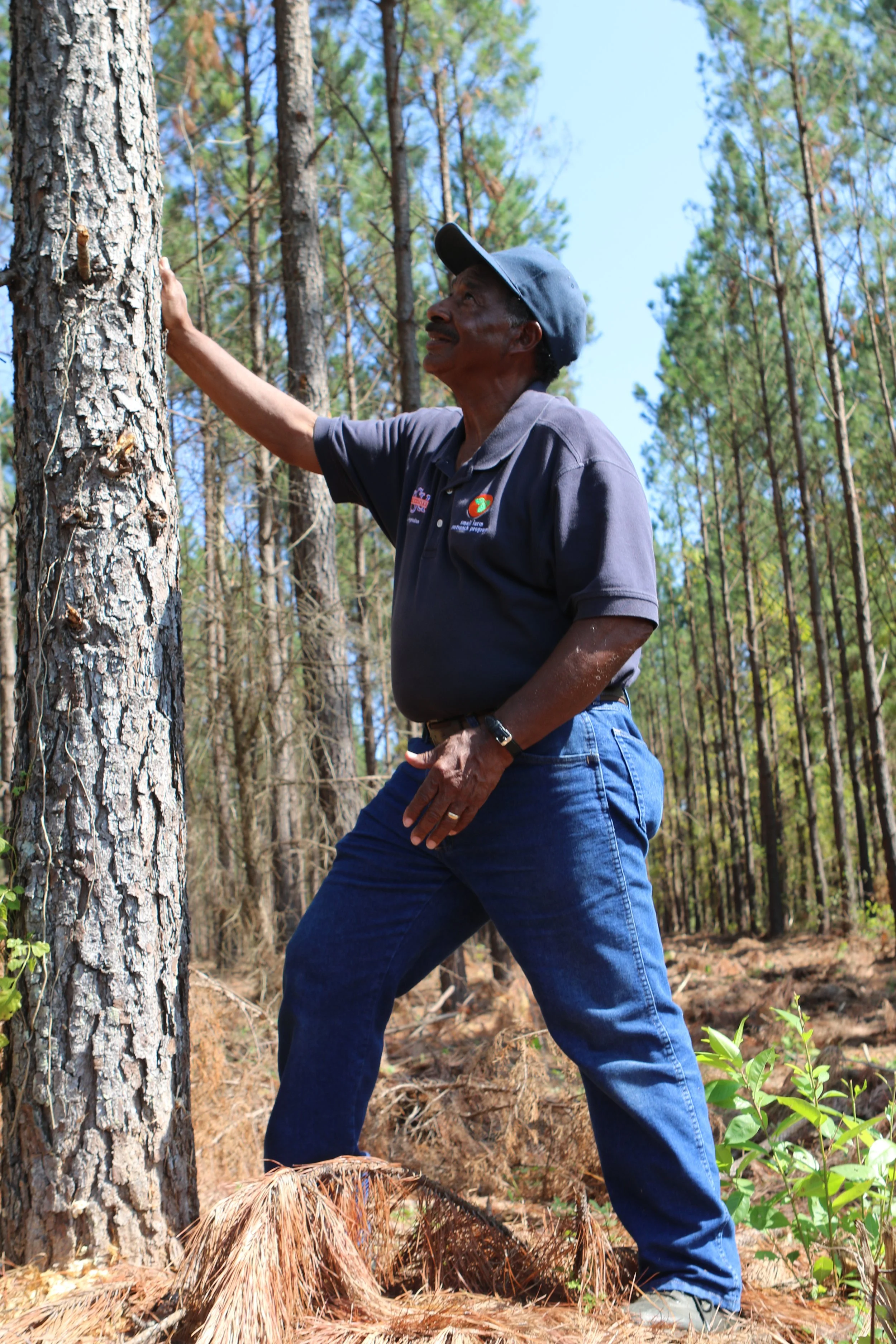
"If you're planting a tree, set your tree up for future success by choosing a tree that fits your planting site with ample space in the ground for proper root development, and in the air for trunk and branches to grow healthily," says Koci, who emphasizes that an ounce of prevention is worth a pound of cure when it comes to tree health. "When trees fail, most of the time it's because that type of tree wasn't a good fit for the planting site," he says. Extension agents can help you figure out your best options for planting a tree on your property.
For existing trees, inspect them regularly for signs of damage or poor health, such as dead limbs in the canopy. Koci encourages homeowners to take photos of their trees from time to time, in case damage occurs and they need to file an insurance claim.
One important way to help trees thrive is by encouraging healthy roots. Compressed roots, like roots that are under driveways or other pavement, will struggle to supply the tree with what it needs, and the whole plant's health can suffer. Planting a variety of plants, especially native plants, can keep roots healthy, as biodiverse flowers, bushes, and groundcover contribute to a healthier soil ecosystem that supports mature trees.
If you have trees on your property, take time to occasionally visually survey them and look for previous partial damage, such as broken, damaged, or dead limbs and dieback in the crown. Crown dieback signifies significant root damage or disease. If you're unsure about your tree or potential damage, consult a tree risk-qualified arborist certified by the International Society of Arboriculture. This professional can recognize potential tree failure and advise you as to mitigation options and corrective actions.

What to do if you experience tree damage
If an extreme storm comes through your area and you do experience tree damage, don't panic, but take the following steps:
· Remain calm
· If any electric lines are down, stay away and call your local non-emergency number
· Do not go on roofs to examine potential damage, or walk underneath damaged parts of a tree or building
· Take a picture of the damage and notify your insurance carrier
· Use a reputable, insured company to conduct repairs, and make sure you get a copy of their insurance certificate.
Preparing for the unexpected
Emergency readiness isn't just about having supplies on hand or knowing where to take shelter. It's also about reducing risks around your home before severe weather strikes. Healthy, well-maintained trees are an important part of protecting your property, and a little preventive care now can help prevent costly damage later.
As summer storm season continues, take a few minutes to walk your property, check the condition of your trees, and talk through your emergency plan with your household. By preparing for the unexpected, you can better protect your family, home and landscape.
Related Links