Featured News


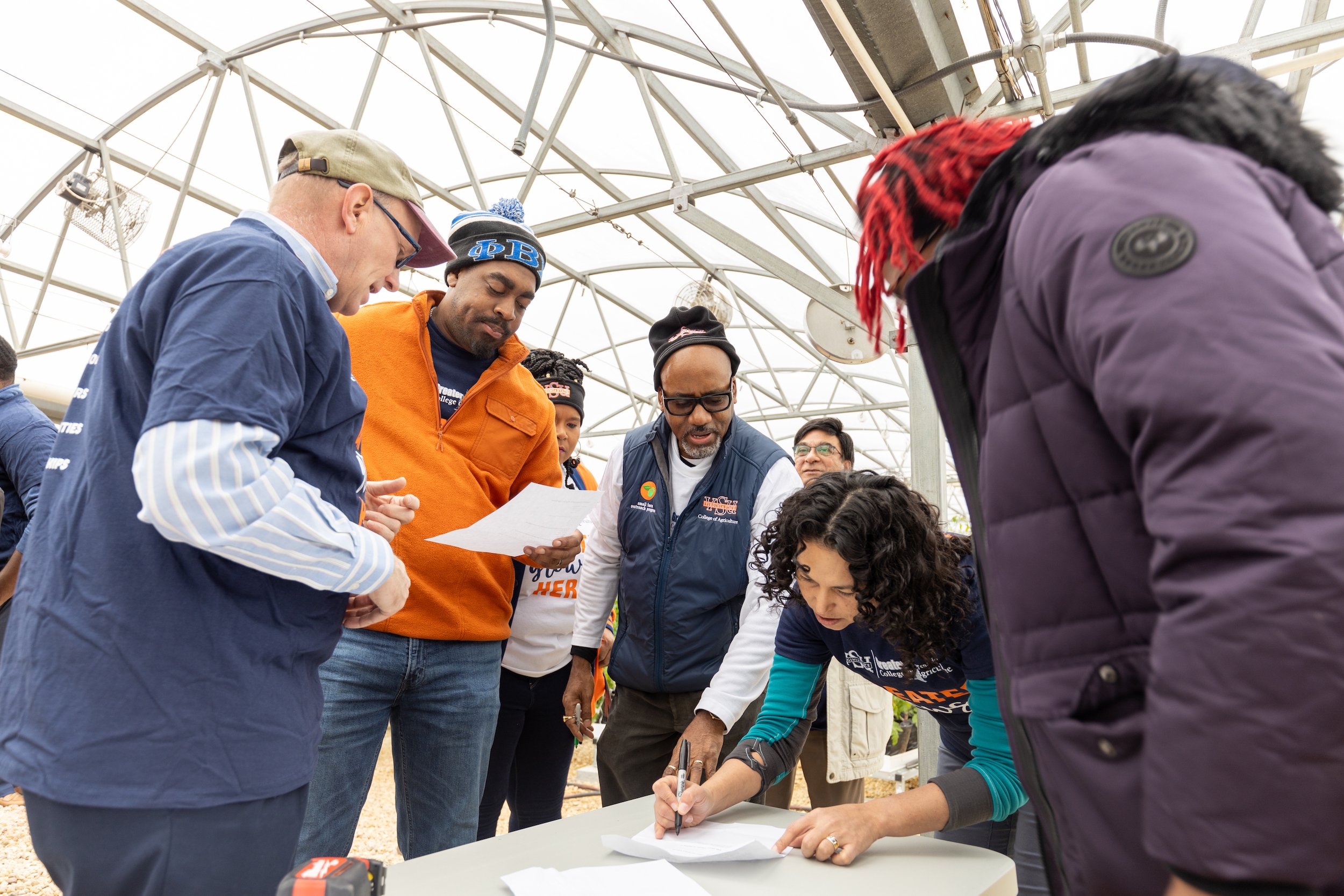

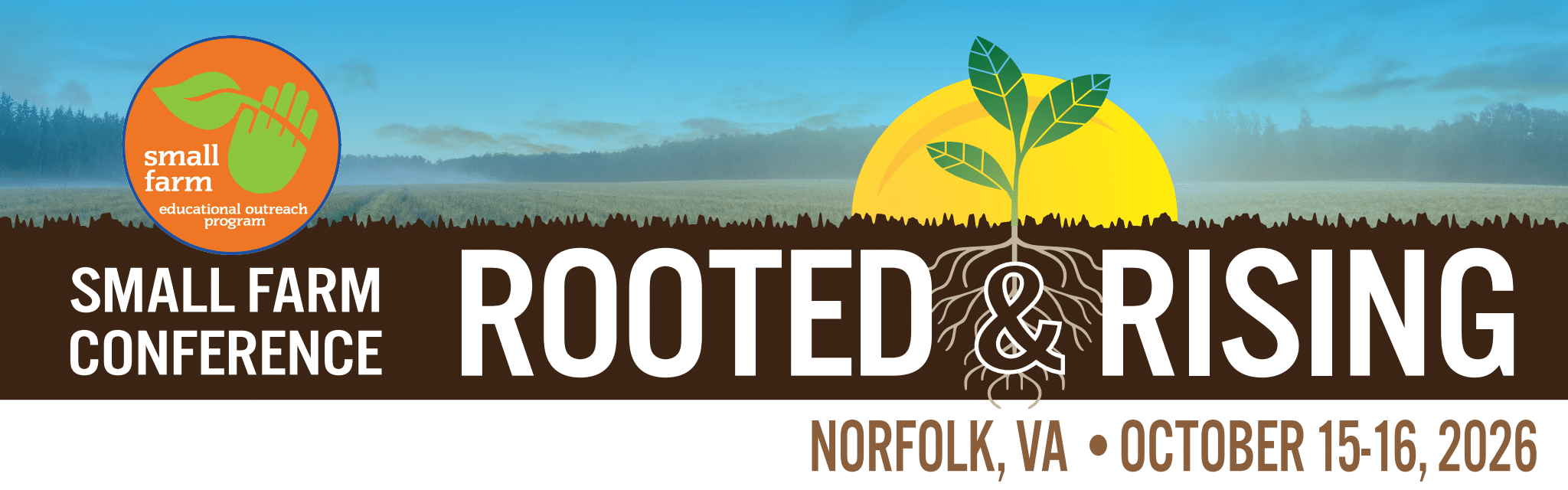
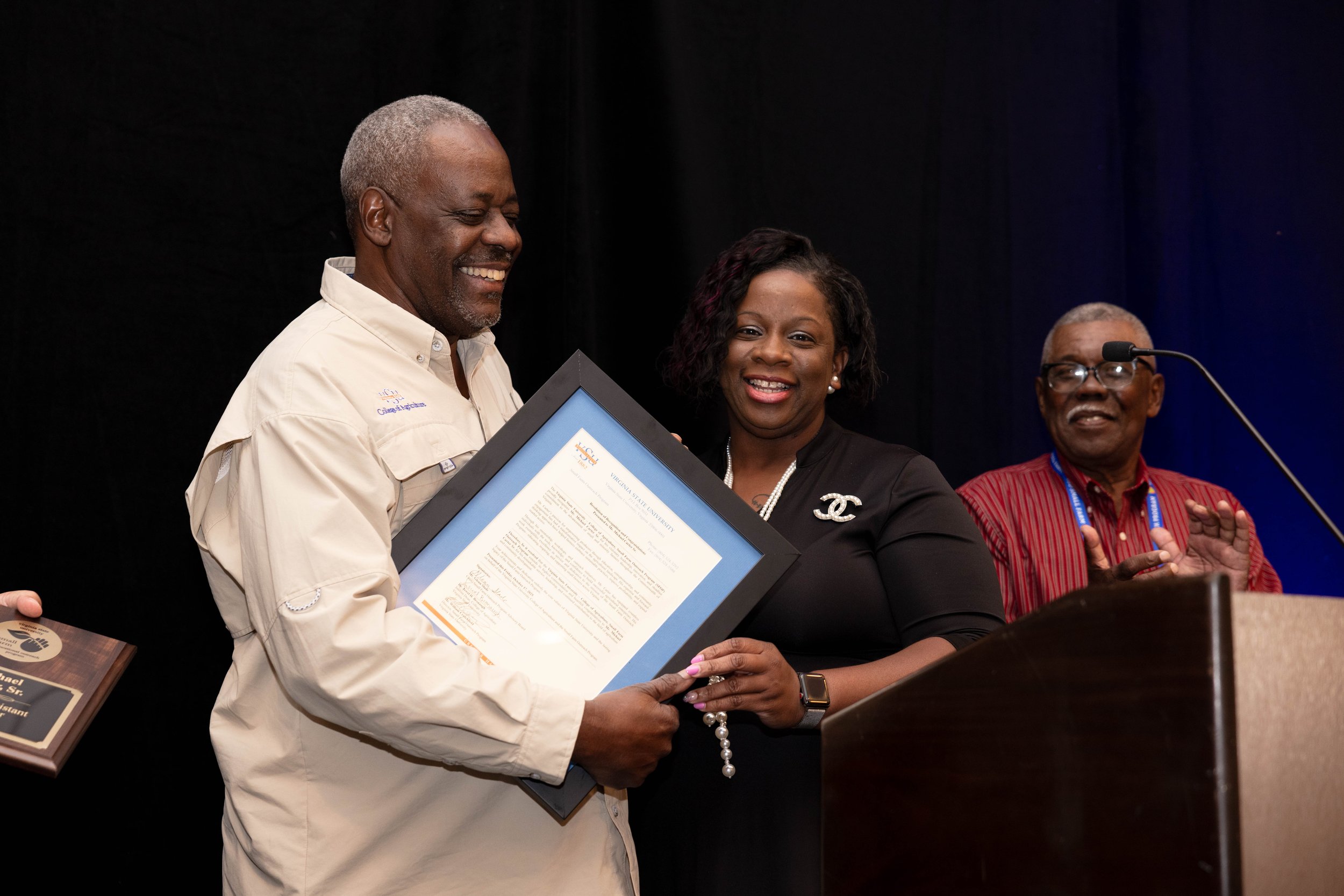
Educational sessions will cover topics relevant to today’s small farmers and ranchers, including marketing, production, finance, food safety, and long-term planning. Attendees can also learn about current research from scientists at VSU’s Agricultural Research Station. “Some of the highlights you can expect will be parasite control, funding sources, specialty mushrooms, and legacy planning,” says SFOP Director William Crutchfield. “We’re going to talk about diversified production from our 43560 project here at VSU’s Randolph Farm, and looking at agriculture finance and asset protection.” The conference will also honor the winners of this year’s Farmer of the Year, Small Farm Agent of the Year, and STAR of the Year awards.
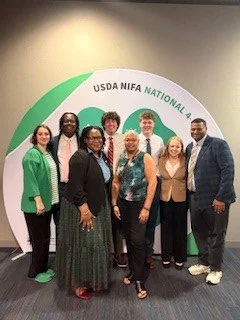
In a historic moment for Extension-based youth development across the nation, two leaders from Historically Black Colleges and Universities (HBCUs) have stepped onto the national stage to guide the future of 4-H. Nicole Swinson of Virginia State University and Teki Hunt of the University of Arkansas at Pine Bluff are the first 1890 HBCU representatives to jointly advise the National 4-H Youth Leadership Team (YLT) for NIFA's National 4-H Conference. This was Hunt's final year serving the YLT, and next year, Swinson will assume her leadership role.
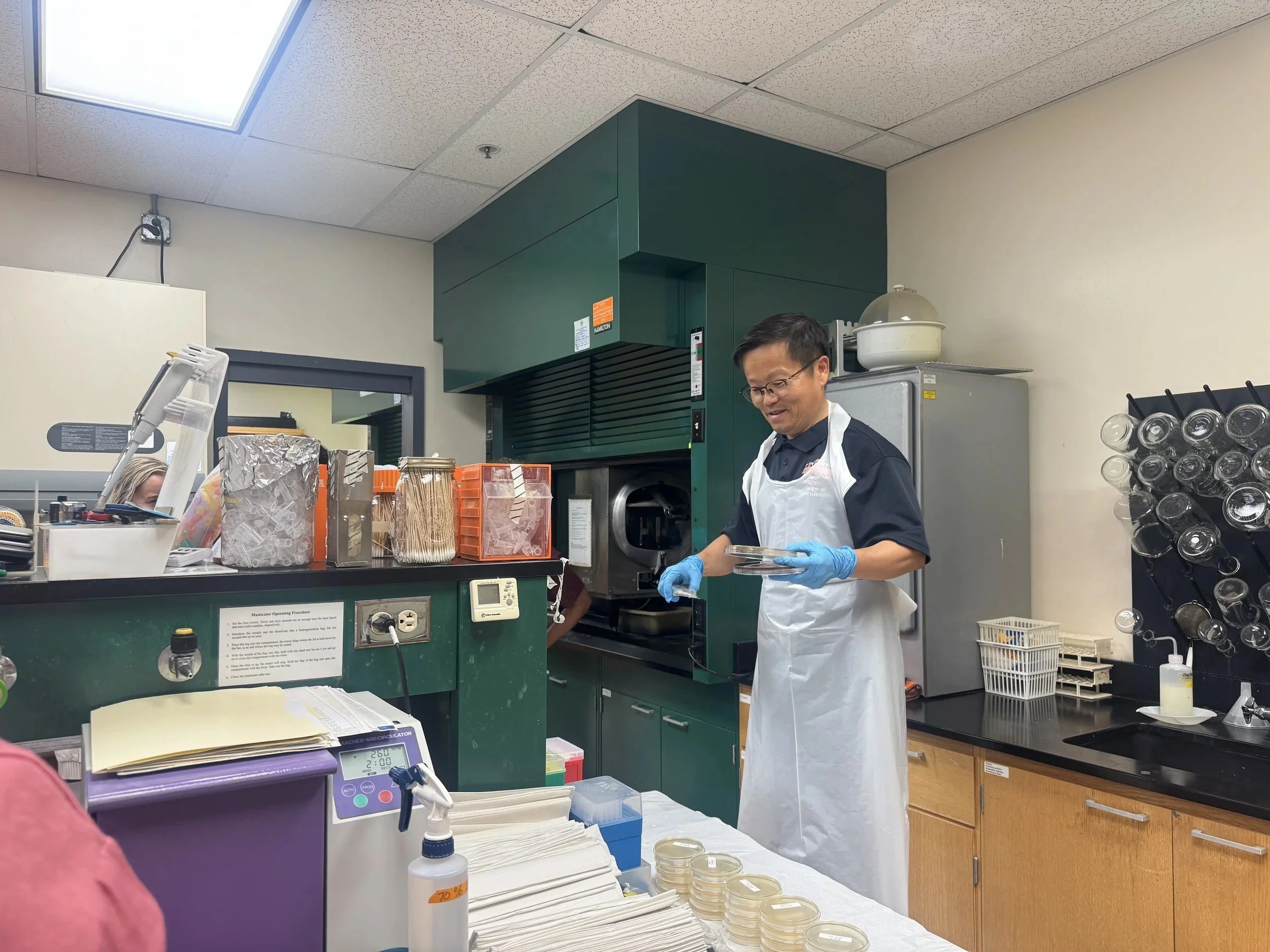
Dr. Chyer Kim, Professor and Enhance-FI System Lead with the Agricultural Research Station, is the 2026 recipient of the Star Award in the Category of Outstanding Research/Scholarship (50% or higher commitment). This accolade recognizes contributions to Virginia State University through excellence in research, scholarship, student mentorship, outreach, and professional service. In Dr. Kim's case, that excellence comes through the Food Safety and Microbiology program, which, under his leadership, focuses on food safety, microbiology, antimicrobial resistance, and value-added agricultural innovations that support the agricultural industry and public health. "Through this work," says Dr. Kim, "I have secured competitive external funding, published peer-reviewed research, and shared findings at regional, national, and international conferences."
Emergency readiness for extreme summer storms
In Virginia, summer can bring sudden, strong storms, as high humidity contributes to thunderstorms with strong winds and heavy rain. As Virginia enters peak storm season, it's important to be ready. You might be familiar with emergency preparedness, such as ensuring flashlights are fully charged in case of a power outage, storing a few days' worth of food and fresh water, or having plans to evacuate or seek shelter if the situation poses an immediate danger.
These are all critical components of emergency readiness, but there is one element some folks may not have considered: whether the trees on their property are storm-ready. Virginia State University's urban forestry specialist, Mr. Joel Koci, has tips to help homeowners protect trees and property from storm damage.
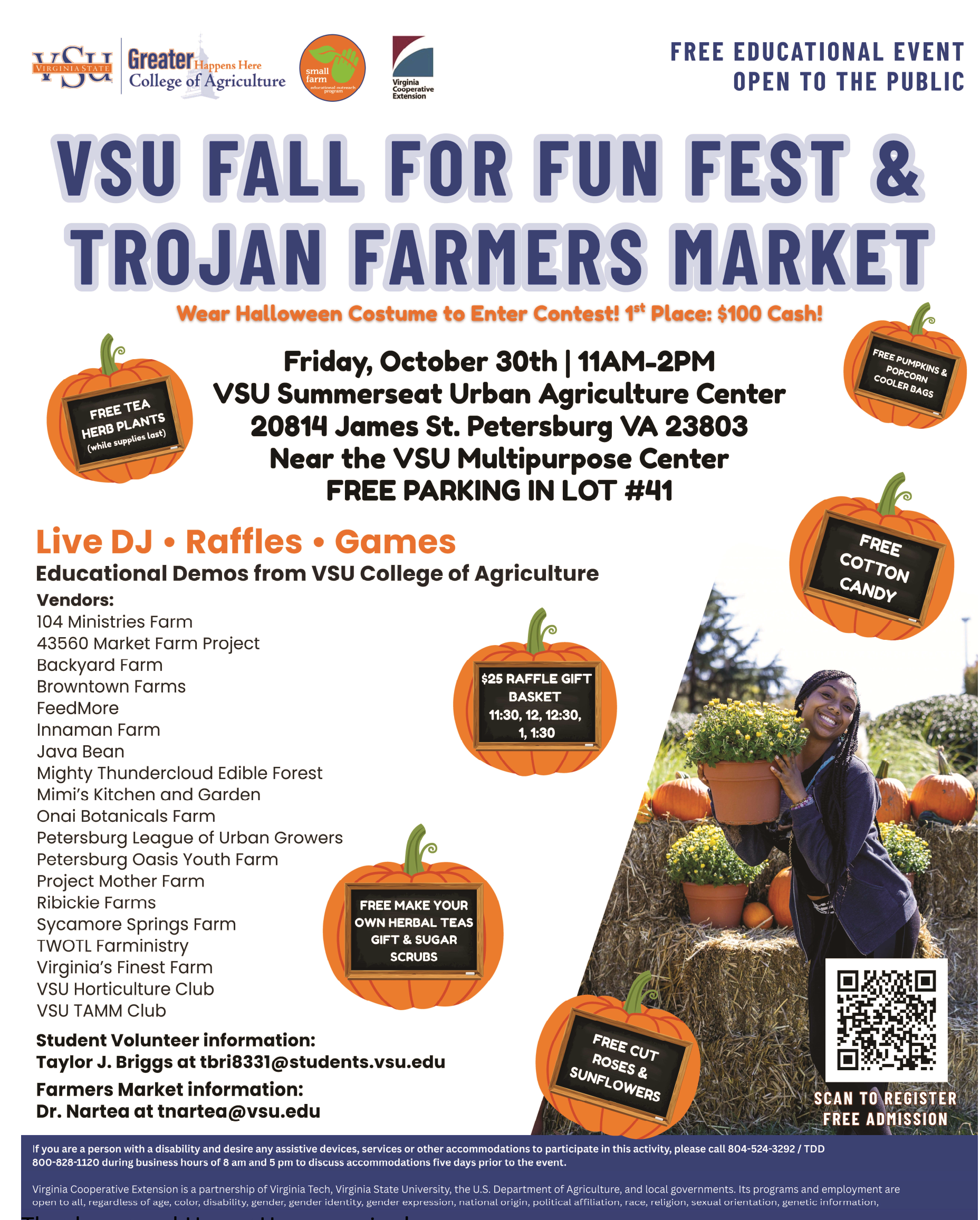
Virginia State University (VSU) College of Agriculture will host its 2nd annual AgFest Block Party on Tuesday, March 19, from 11 a.m. to 3 p.m., at VSU Foster Hall on University Ave. The event is free and open to the community.