
Tomato Organic Management and Improvement (TOMI)
The USDA-NIFA-funded Tomato Organic Management and Improvement (TOMI) project is a multi-state research and extension initiative to support organic tomato growers in managing foliar diseases. The project also provides educational resources, field demonstrations, and outreach programs to support organic tomato growers across the United States.
Biocontrol of Foliar Diseases in Organic Tomato
This research aims to help organic tomato growers reduce disease pressure, improve yield and fruit quality, and strengthen the long-term sustainability of their production systems. It focuses on developing sustainable, effective strategies for managing foliar diseases in organic tomato production. Studies evaluate OMRI-approved biological products, including beneficial microorganisms, to determine their effectiveness in reducing disease incidence and severity under open-field and high-tunnel conditions. Research also examines environmental factors such as temperature, humidity, leaf wetness, and rainfall that influence disease development and biocontrol performance. Disease monitoring tools, weather-based forecasting systems, and cultural practices such as pruning and canopy management are integrated to improve disease suppression and crop health.
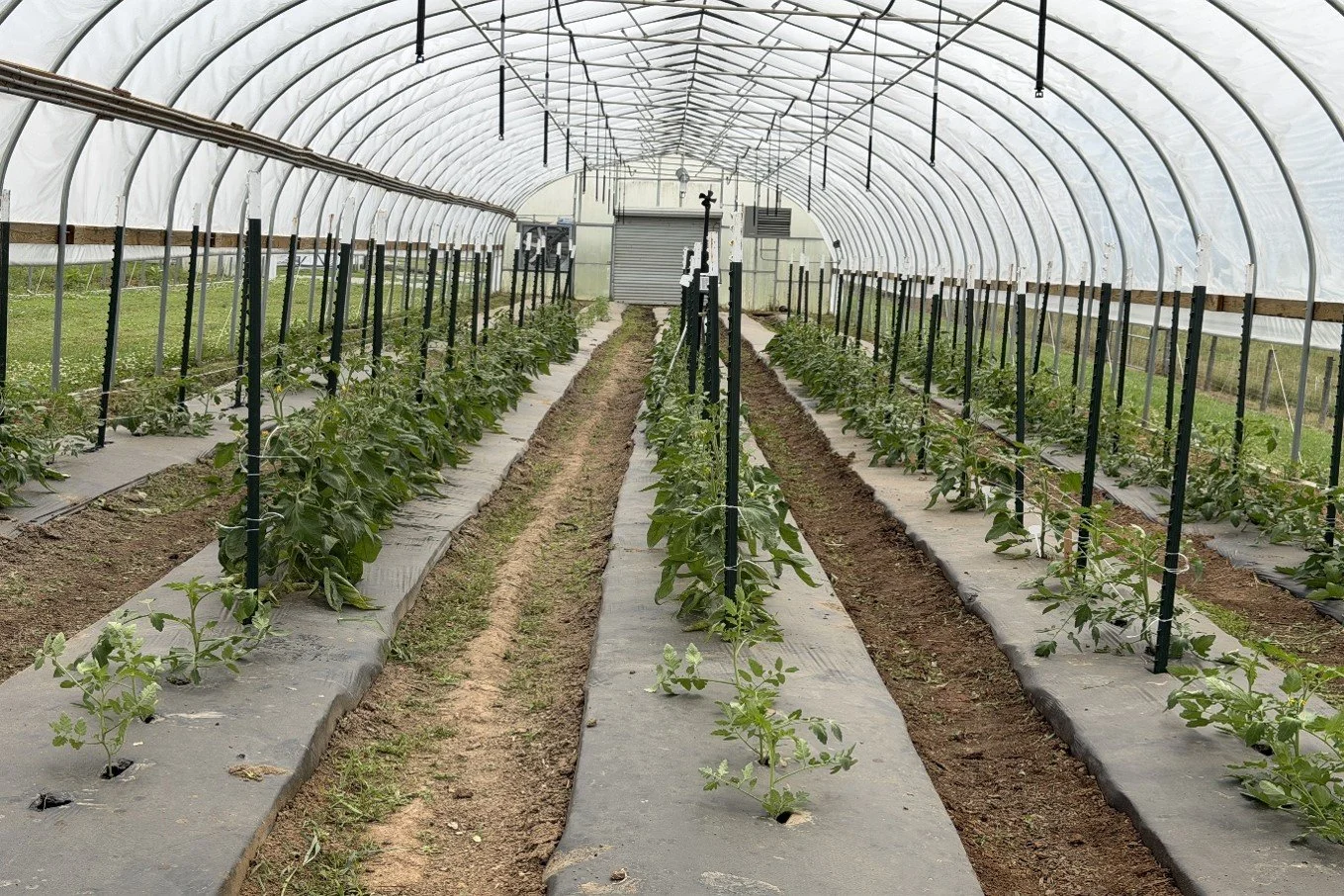
Resources:
Efficacy of organic disease control products on common foliar diseases of tomato in field and greenhouse trials https://www.sciencedirect.com/science/article/abs/pii/S0261219419301267
Tomato Organic Management and Improvement Project https://eorganic.info/tomi
A Tomato Zine for the General Public https://static1.squarespace.com/static/695fff698e06727dc450956d/t/69e1b73c52557e37e083b949/1776400188980/Tomato_Zine_web_2.pdf
Davis, Jeanine. 2024. Efficacy of fungicides for organic tomato production. New Crops & Organics. North Carolina State Extension. https://newcropsorganics.ces.ncsu.edu/2023/10/efficacy-of-fungicides-for-organic-tomato-production/
Hoagland, L., Colley, M., Dawson, J., Davis, J., Egel, D., Gu, S., Myers, J., Zystro, J., 2018. Tomato management and improvement project (TOMI): An interdisciplinary approach to managing foliar pathogens in tomato. Acta Horticulturae 1207:203-210.
Cultivar Evaluation for Organic Tomato Disease Management and Production
This research evaluates tomato cultivars for their performance in organic production systems, focusing on disease resistance, yield, fruit quality, and adaptability to diverse growing environments. Commercial cultivars, advanced breeding lines, and experimental selections are tested under field conditions to identify varieties that perform well under organic management.
Trials are conducted across multiple locations to assess cultivar stability and regional adaptation. Key traits evaluated include resistance to foliar diseases, marketable yield, fruit quality, plant vigor, and overall production performance. The results help growers make informed cultivar selection decisions and support the development of improved tomato varieties for sustainable organic production systems.
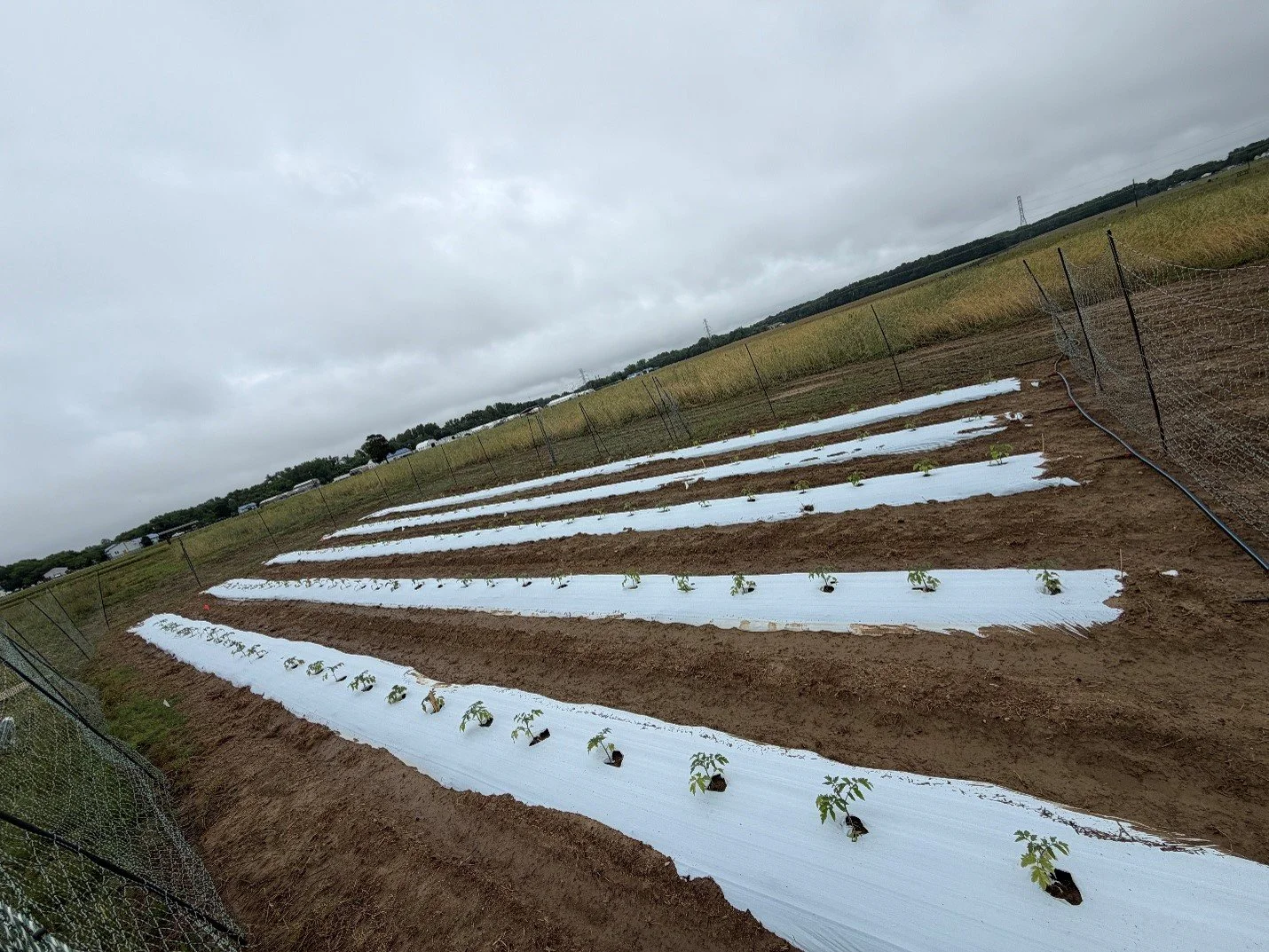
Resources
Carvallo Lopez, A., Nix, M., Hickey, T., and Dawson, J. C. 2024. Improved Tomato Breeding Lines Adapted to Organic Farming Systems Have Enhanced Flavor, Yield, and Disease Resistance. HortScience 59(9), 1299-1307.
Hoagland, L., Navazio, J., Zystro, J., Kaplan, I., Gomez Vargas, J., Gibson, K., 2015. Key traits and promising germplasm for an organic participatory tomato breeding program in the U.S. Midwest. HortScience 50(9):1-8
COnnect
e-newsletter
Sign up to receive our weekly e-newsletter and event alerts directly to your inbox.
